
27 Vitamins and Minerals in a Meal Drink: What the Number Really Tells You
“27 vitamins and minerals” sounds precise, but it can still be misunderstood. The number tells you how many micronutrients are included in the product’s stated composition. It does not tell you, by itself, how much of each one is present, what percentage of a reference intake a serving provides, or whether one bottle is all you need in a day.
A useful label check therefore starts after the headline. Here is how to turn that count into a practical comparison without adding promises the label does not make.
1. Treat the count as an index, not a verdict
A count can help you see that a product contains a range of vitamins and minerals. It cannot replace the detailed nutrition table. Two products may both list the same number while providing different micronutrients, different quantities or different percentages of their reference values.
That is why “27” should not be translated into “complete in every way”, “everything you need” or a guaranteed health outcome. Those are separate claims that require separate evidence. The reliable next step is to identify the named micronutrients and their amounts on the label.
2. Check whether the values apply per 100 ml or per bottle
Nutrition information often uses a standard per-100-ml column. A front-of-pack statement may refer to the complete serving. Keep those bases separate. For a 500 ml bottle, a per-100-ml value and a per-bottle value differ by a factor of five.
Before comparing products, write down three things: the bottle size, the stated serving size and the column you are reading. This small step prevents a precise-looking table from producing an inaccurate comparison.
3. Read amounts and reference values one by one
If the label shows a percentage reference value, read it for each individual vitamin or mineral. Do not average the percentages and do not assume that all listed micronutrients occur at the same level.
Reference values are a labelling tool, not a personalised nutrition plan. Individual needs can vary, and a product label cannot account for your total diet or medical circumstances. If you need individual dietary advice, use a qualified professional rather than a single front-of-pack number.
4. Keep micronutrients in the context of the whole bottle
Vitamins and minerals are one part of the product. Also check energy, protein, carbohydrates, sugars, fat, fibre where declared, ingredients, allergens and the intended serving. A high-profile micronutrient count should not make the rest of the label disappear.
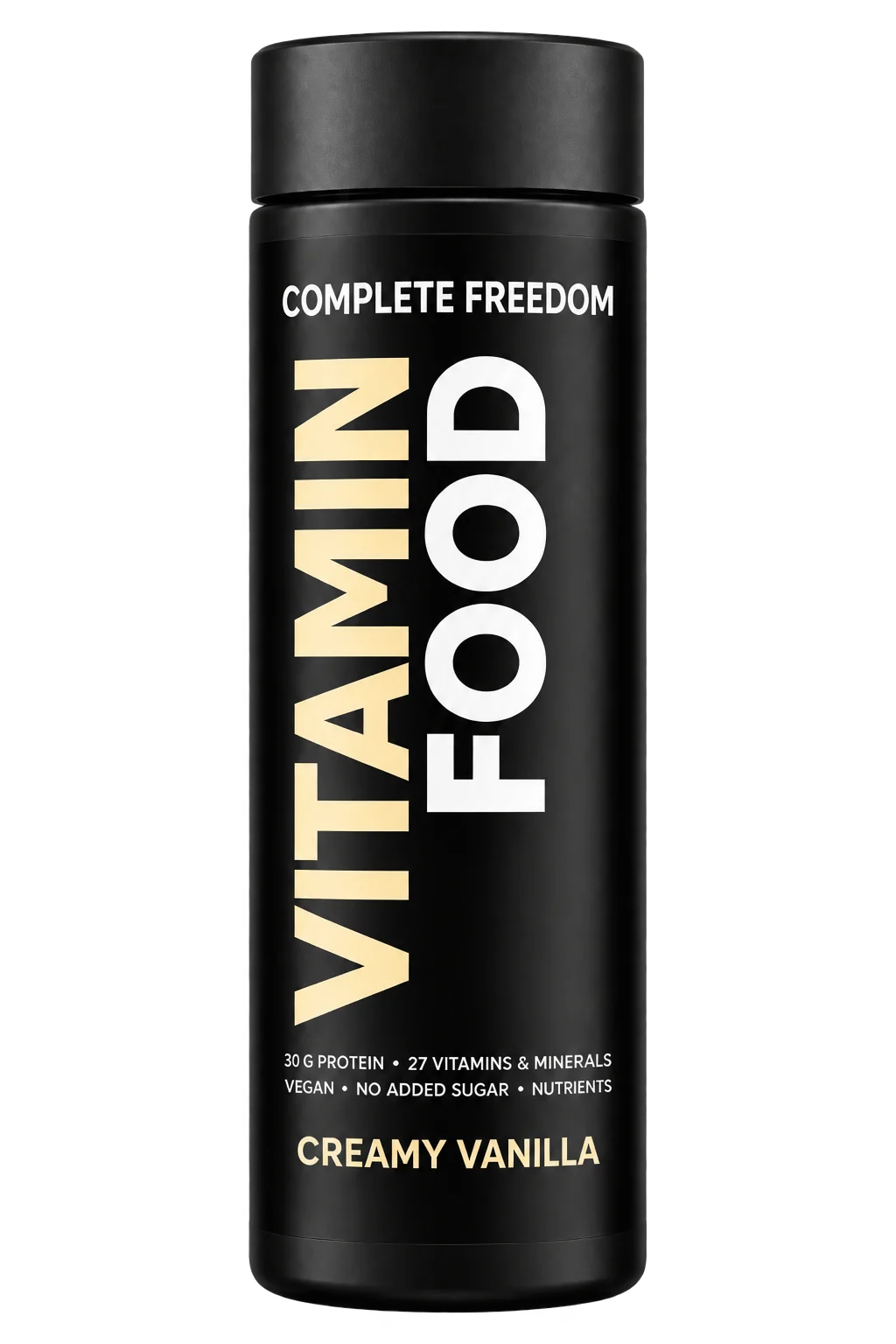
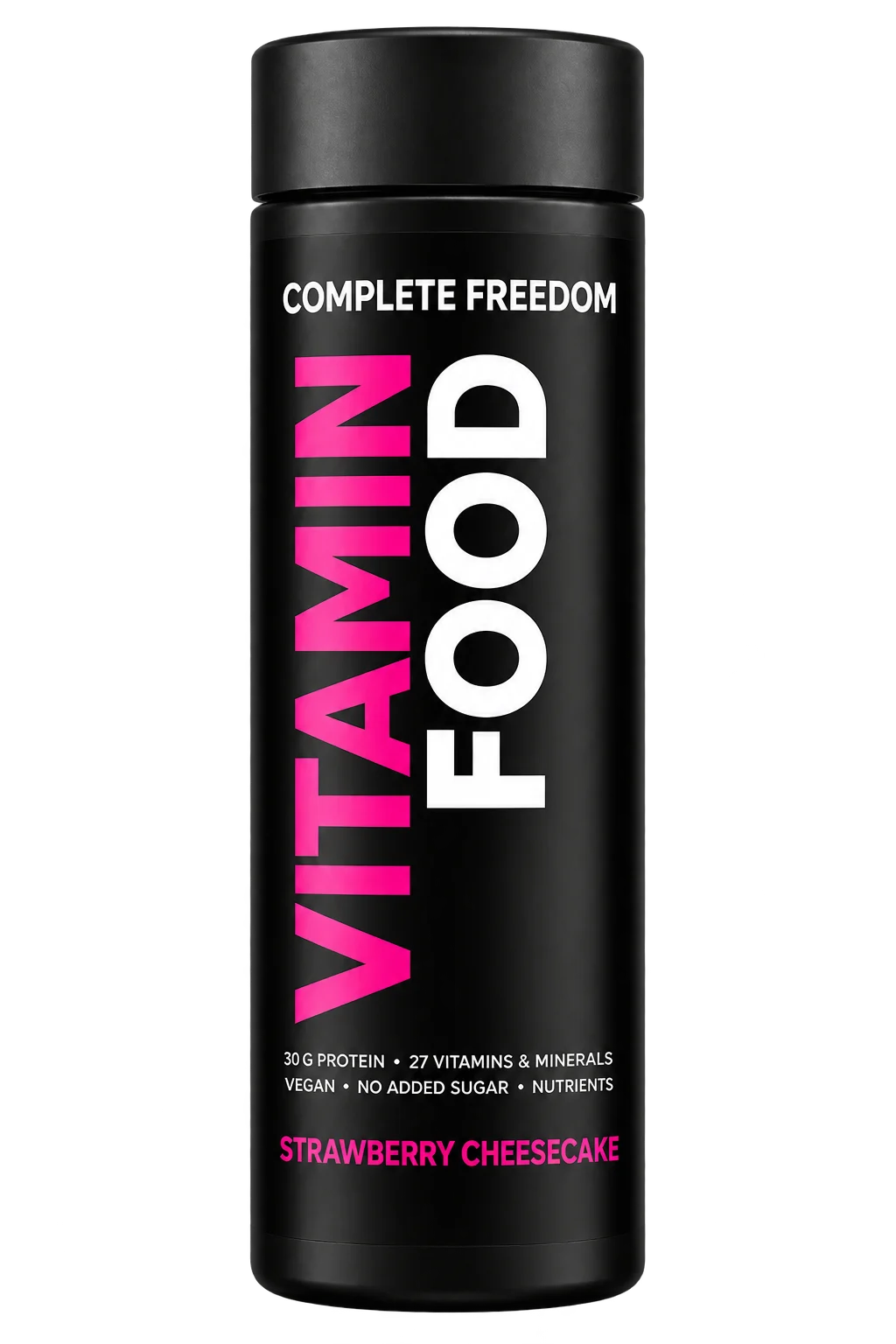
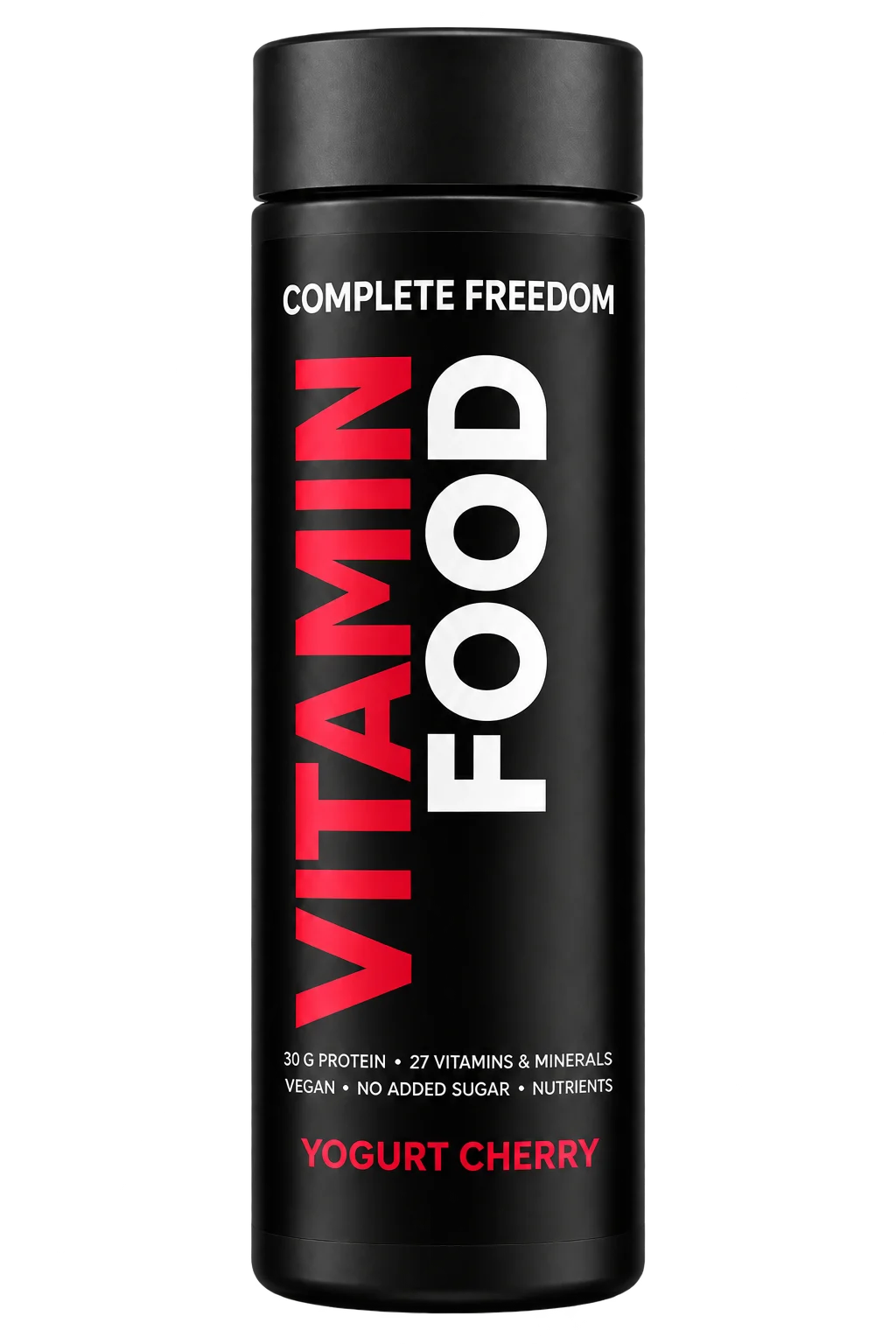
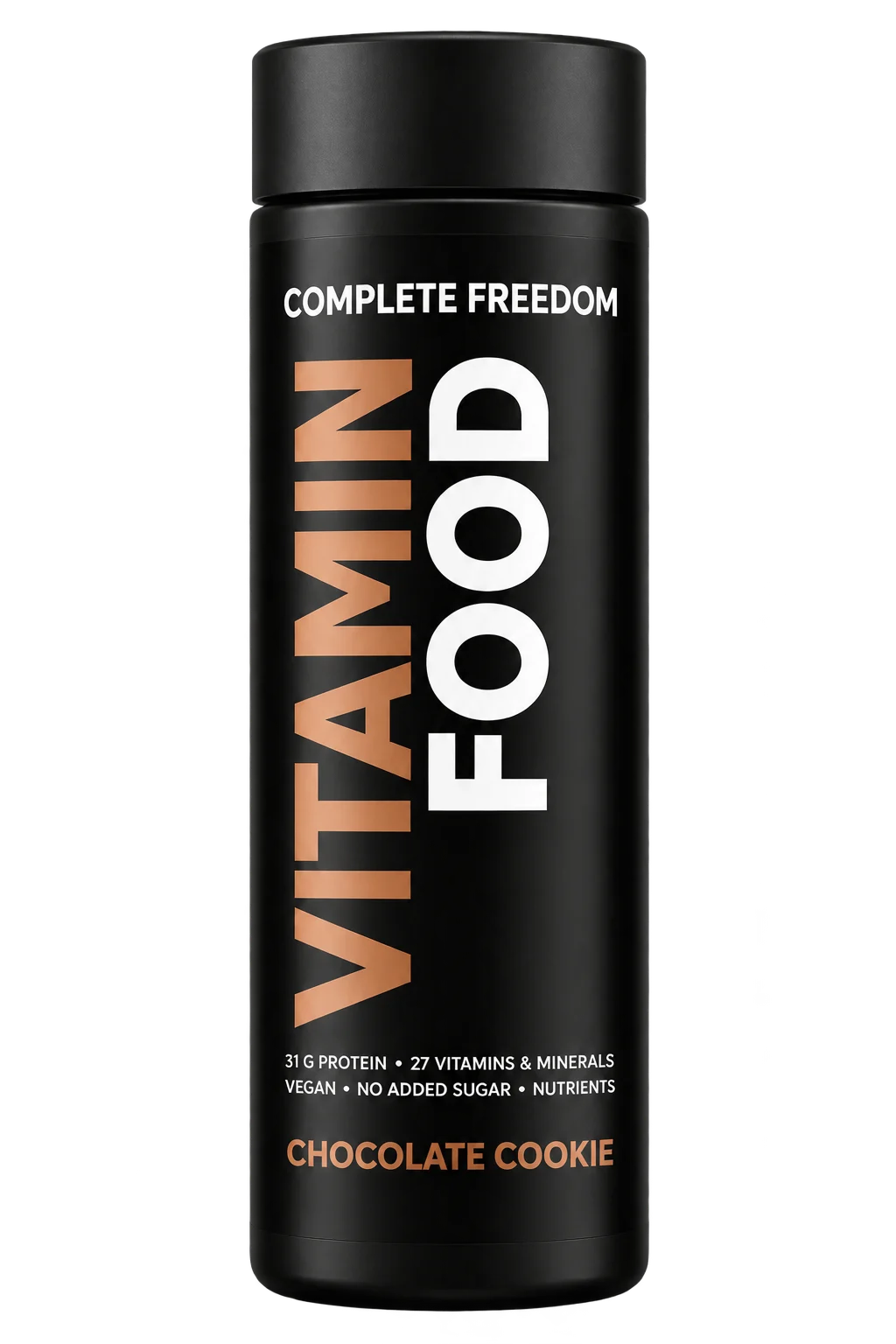
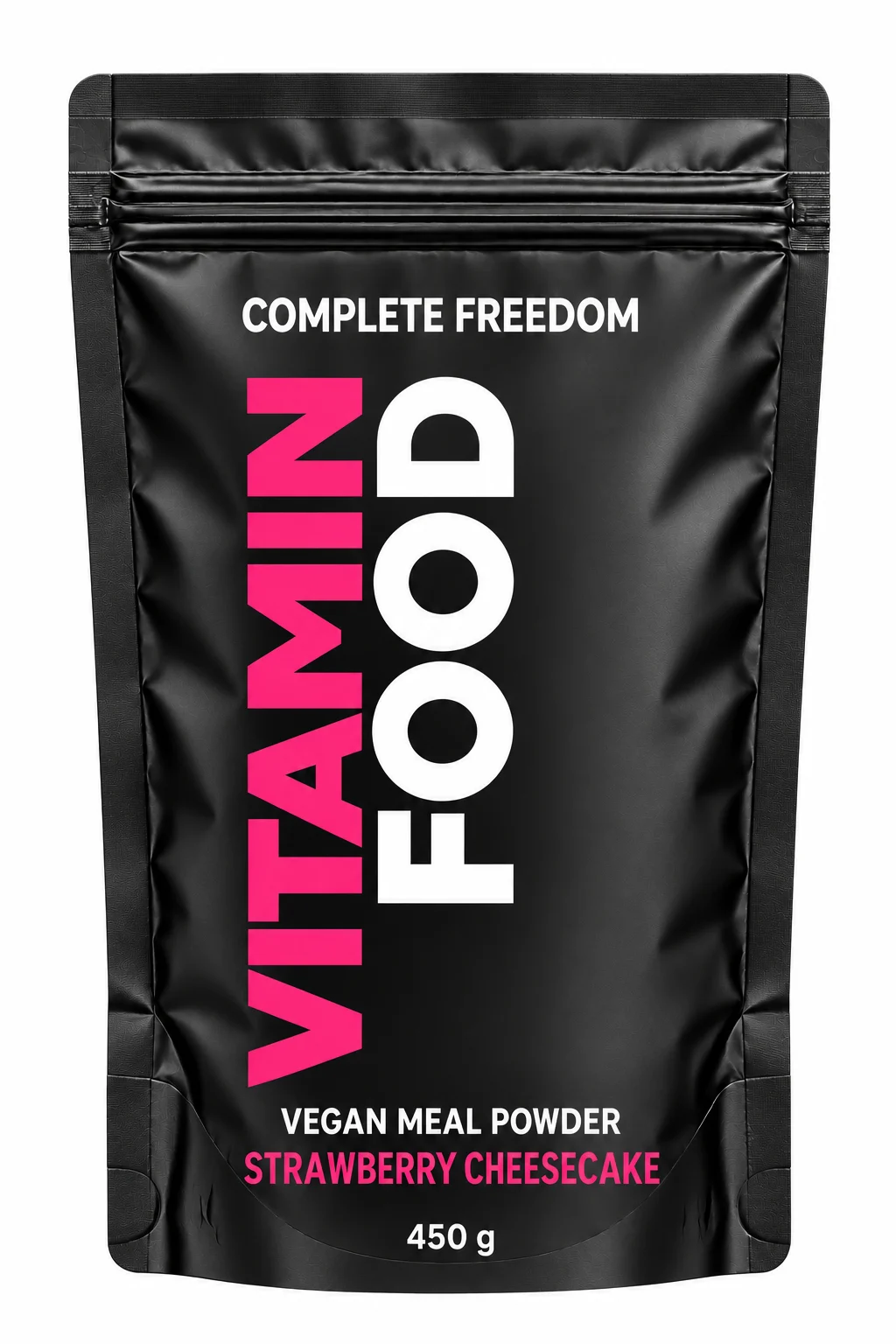
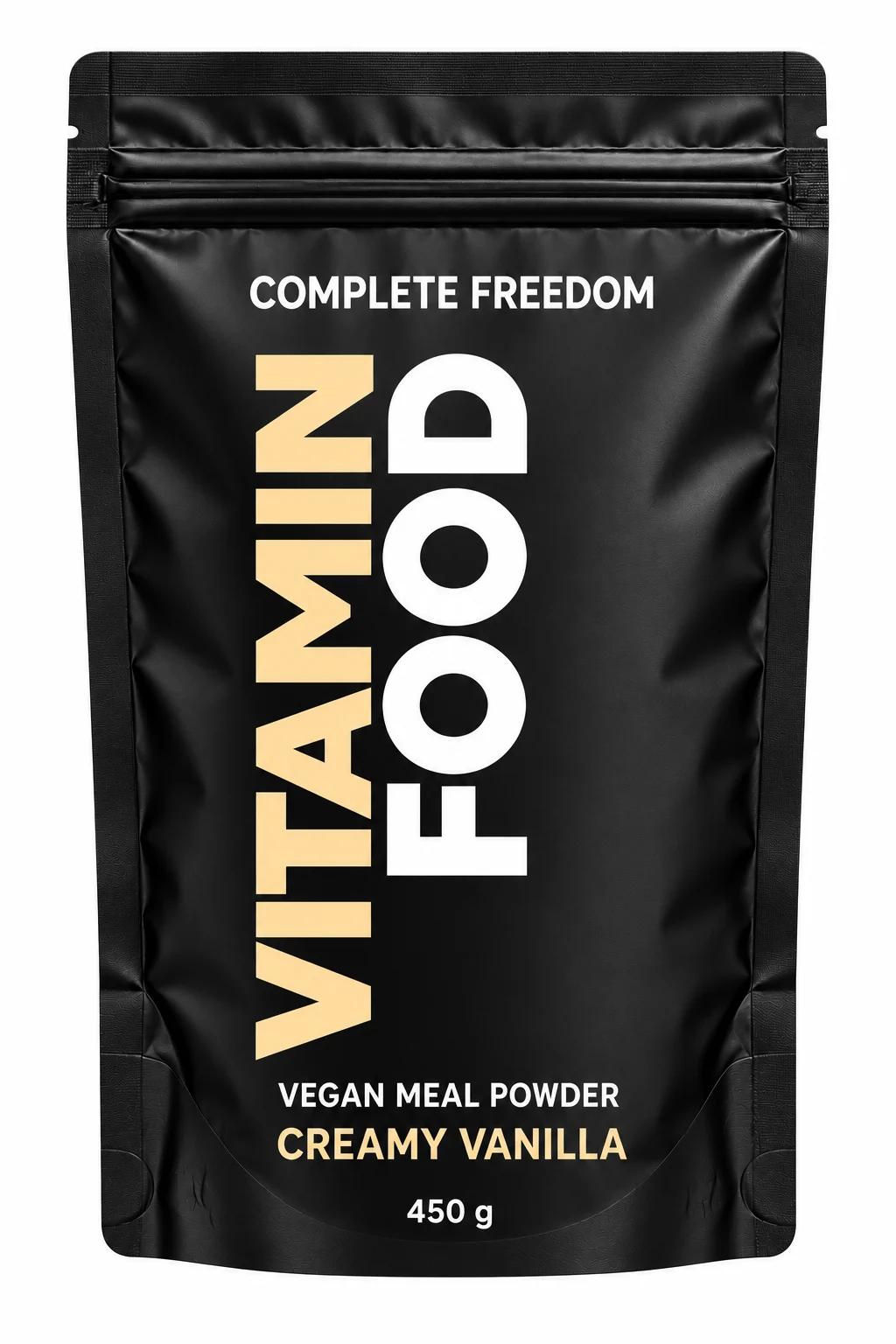
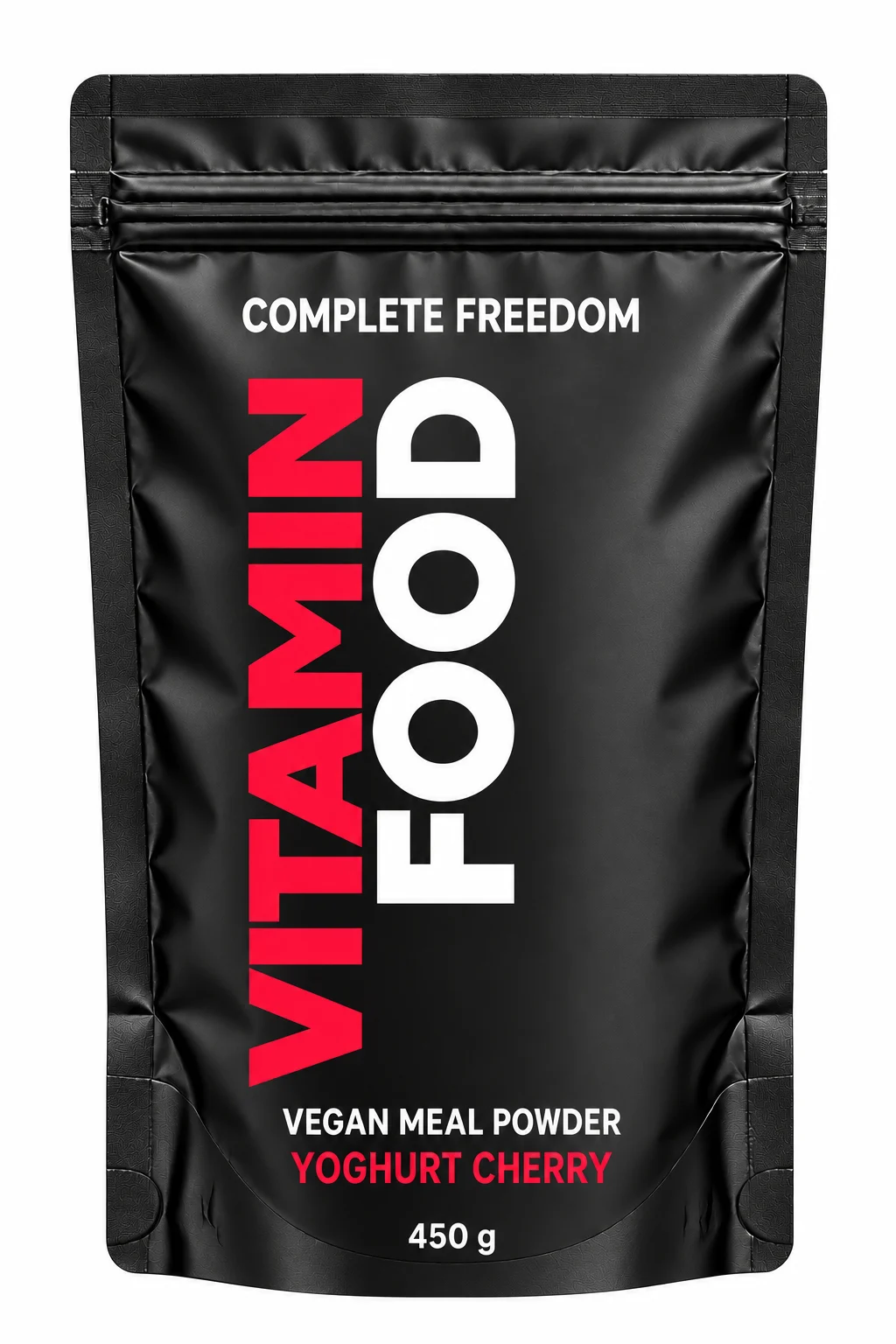
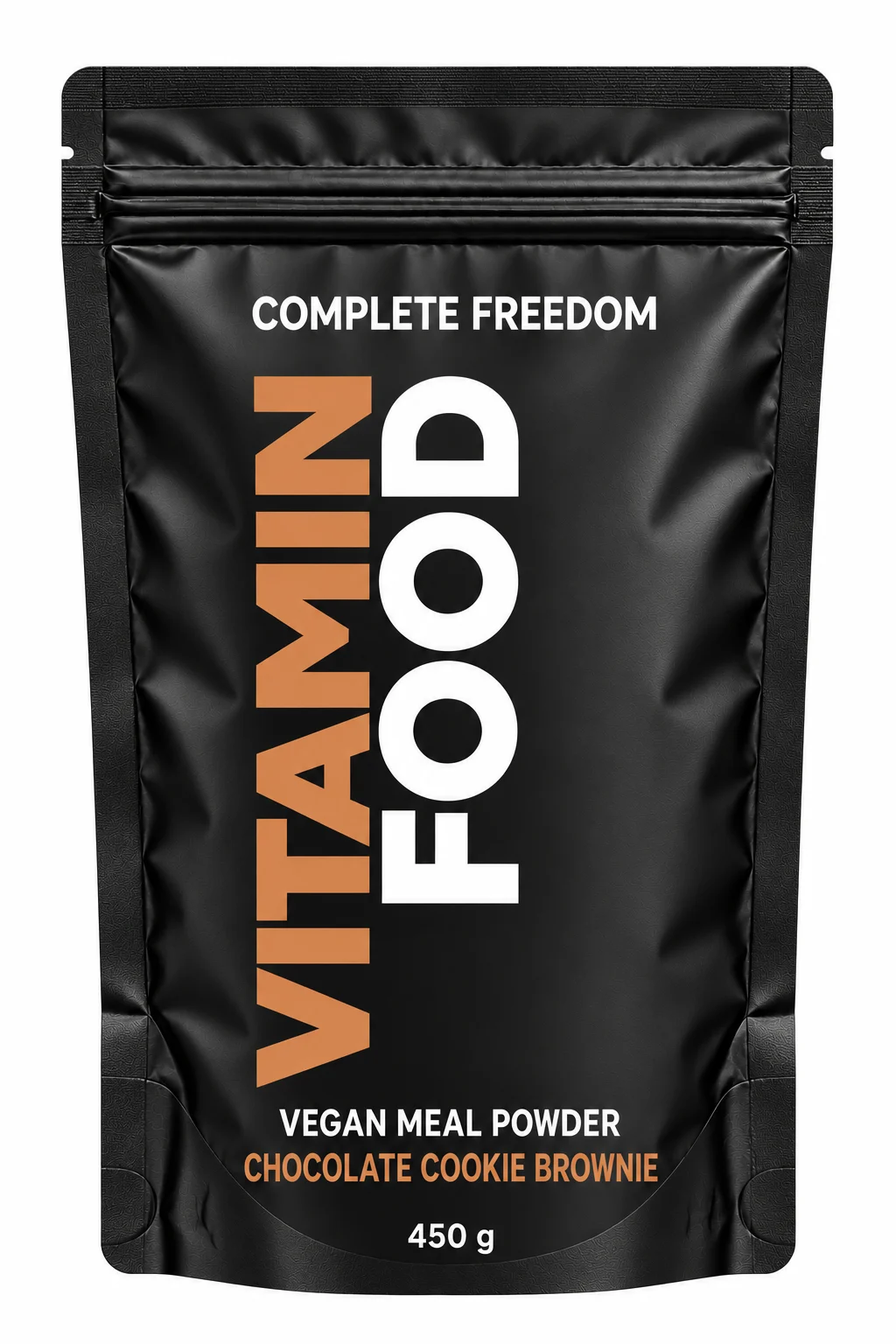
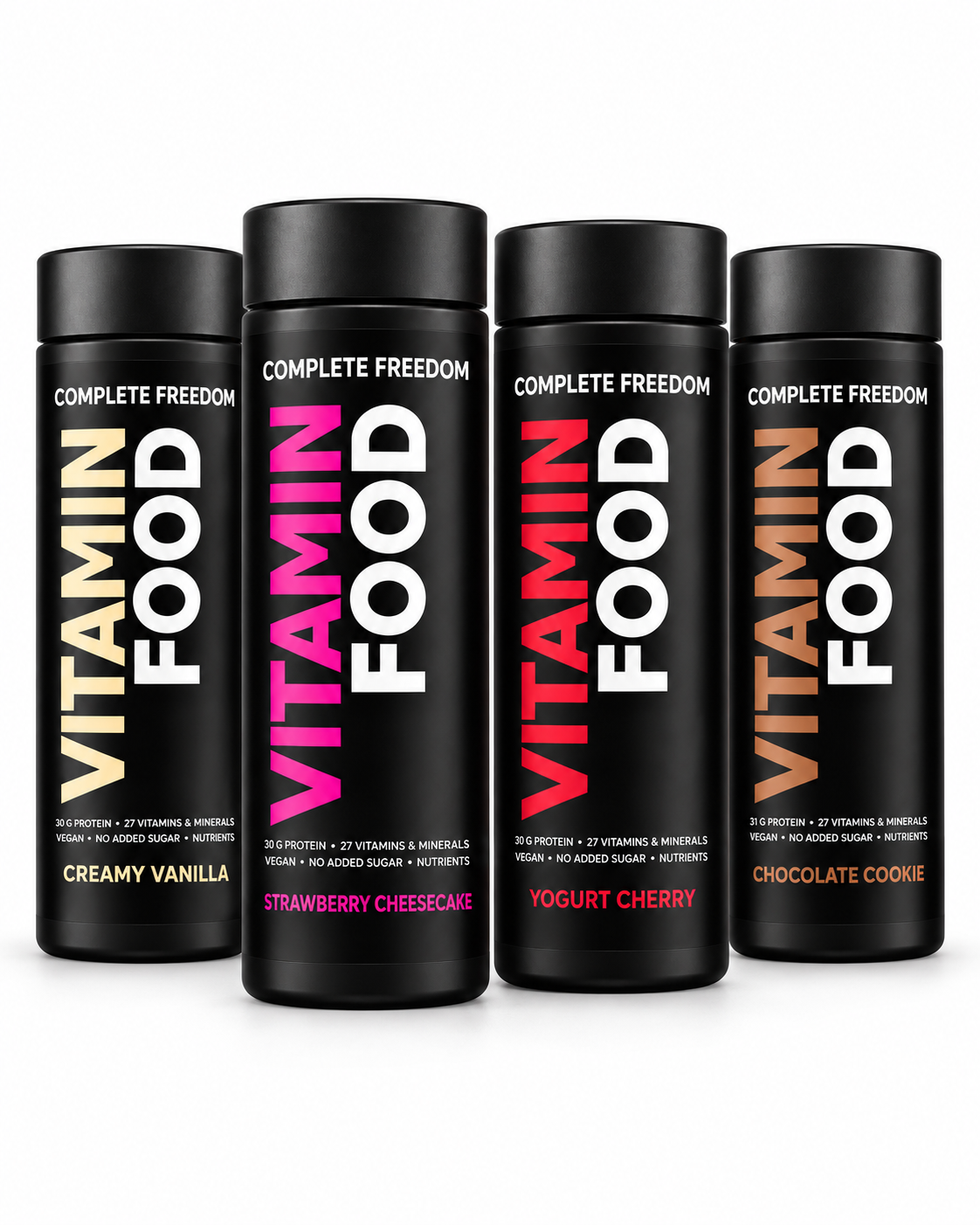
For the current Vitaminfood RTD labels, the verified product facts are a 500 ml vegan meal on an oat base with pea protein and 27 vitamins and minerals. Creamy Vanilla, Strawberry Cheesecake and Yoghurt Cherry contain 30 g protein per bottle; Chocolate Cookie contains 31 g. The products have no added sugar and contain naturally occurring sugars. “No added sugar” does not mean sugar-free.
5. Compare flavours carefully
Products in one range can share a format while differing in at least one declared value. Vitaminfood’s protein figure is a clear example: three flavours state 30 g, while Chocolate Cookie states 31 g per bottle. Do not flatten a range into one generic number when the labels distinguish the flavours.
The same discipline applies to micronutrients. Use the label for the actual flavour and batch you are considering. A category page or article is useful orientation, but the bottle remains the decisive source for that product.
6. Ingredients and allergens still come first
A long micronutrient list does not answer whether a product suits your allergies. Read the complete ingredients and allergen information every time. The current Vitaminfood labels identify oats and gluten-containing cereals. Vegan does not mean allergen-free, and a flavour name is not an ingredients list.
Do not infer claims such as gluten-free or “nothing artificial” from the absence of a word in a headline. Use only the explicit ingredient, allergen and nutrition information supplied for the product.
A practical five-step label check
- Confirm the bottle and serving size.
- Find the detailed vitamins-and-minerals table.
- Read each amount and reference percentage separately.
- Check the full nutrition table, ingredients and allergens.
- Use the final label for the flavour and batch you receive.
What this means for Vitaminfood
Vitaminfood is still in prelaunch. The current labels support the facts used above, but final availability, pack options, prices, delivery destinations and ordering conditions must be confirmed at launch. A waitlist registration is not an order and does not guarantee stock or a delivery date.
Complete Freedom is the feeling; the product is a ready-to-drink vegan meal in a bottle. Clear label reading keeps that distinction honest and helps you decide whether the format fits a particular meal moment.
Explore the ready-to-drink range, review the ingredients and allergens, and use our meal-drink comparison guide. Check the Vitaminfood homepage for the current launch status.