
Comparing Meal Replacement Drinks? Avoid These 6 Mistakes
Meal replacement drinks can look remarkably similar at first glance. A bottle, a protein number and a short list of headline claims may make comparison feel easy. It is not. Products can use different serving sizes, formats and definitions, so a quick scan can create the wrong impression.
A useful comparison starts with the same question every time: what exactly are you buying for one meal moment? The six mistakes below help you compare ready-to-drink meals more consistently—without treating a single number as the whole story.
1. Comparing 100 ml with a full bottle
Nutrition tables often show values per 100 ml, while front-of-pack claims usually refer to the complete bottle. Those are not interchangeable. Multiply the per-100-ml values by the bottle volume before comparing them with a per-serving figure from another product.
Also check whether the bottle is intended as one serving. A lower number per 100 ml can become a very different figure when the complete pack is considered.
2. Letting protein decide everything
Protein is easy to compare, but it does not by itself tell you whether a product is positioned as a meal, a snack or a protein drink. Check the complete product category, serving size, energy, ingredients, vitamins and minerals, and allergen information.
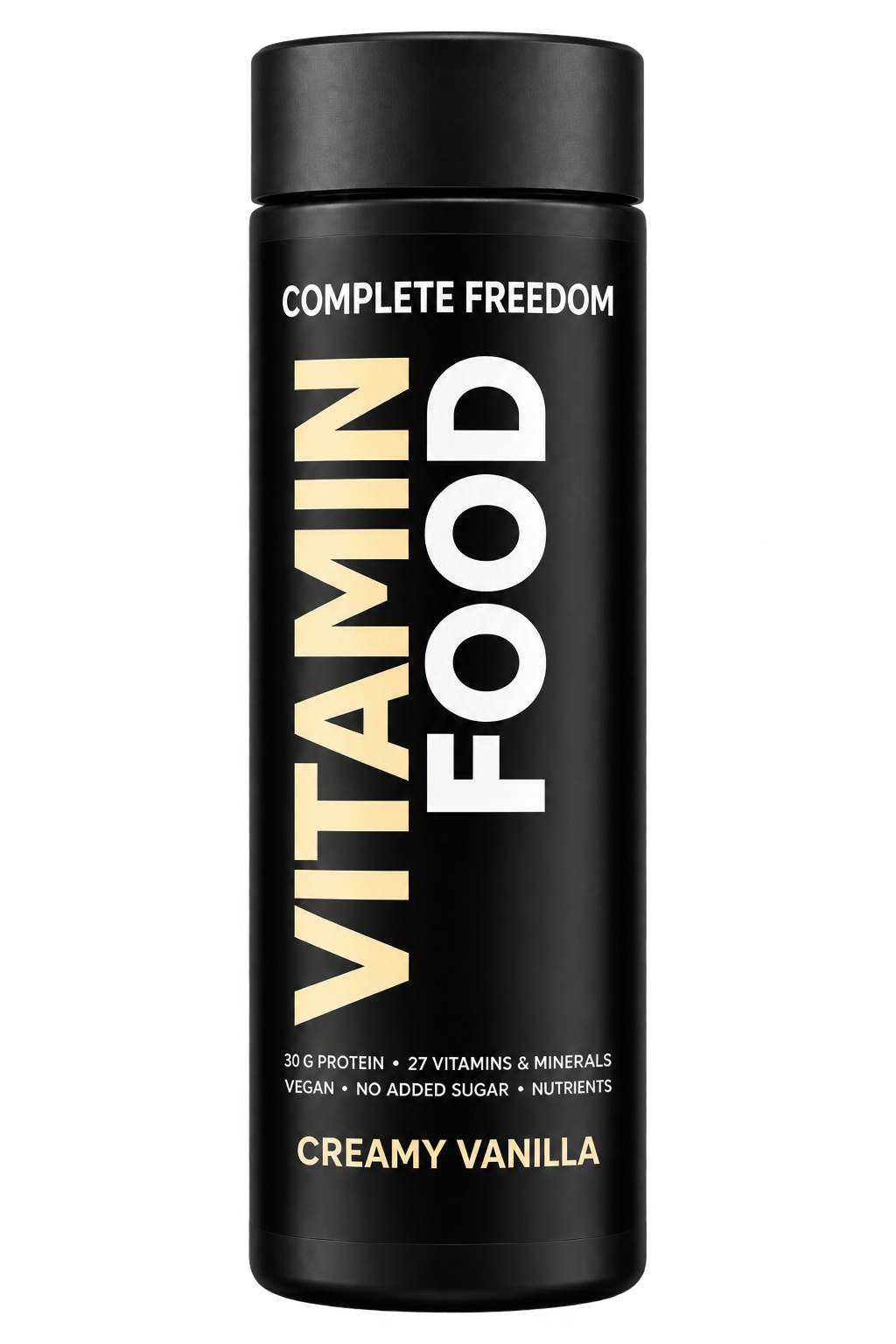
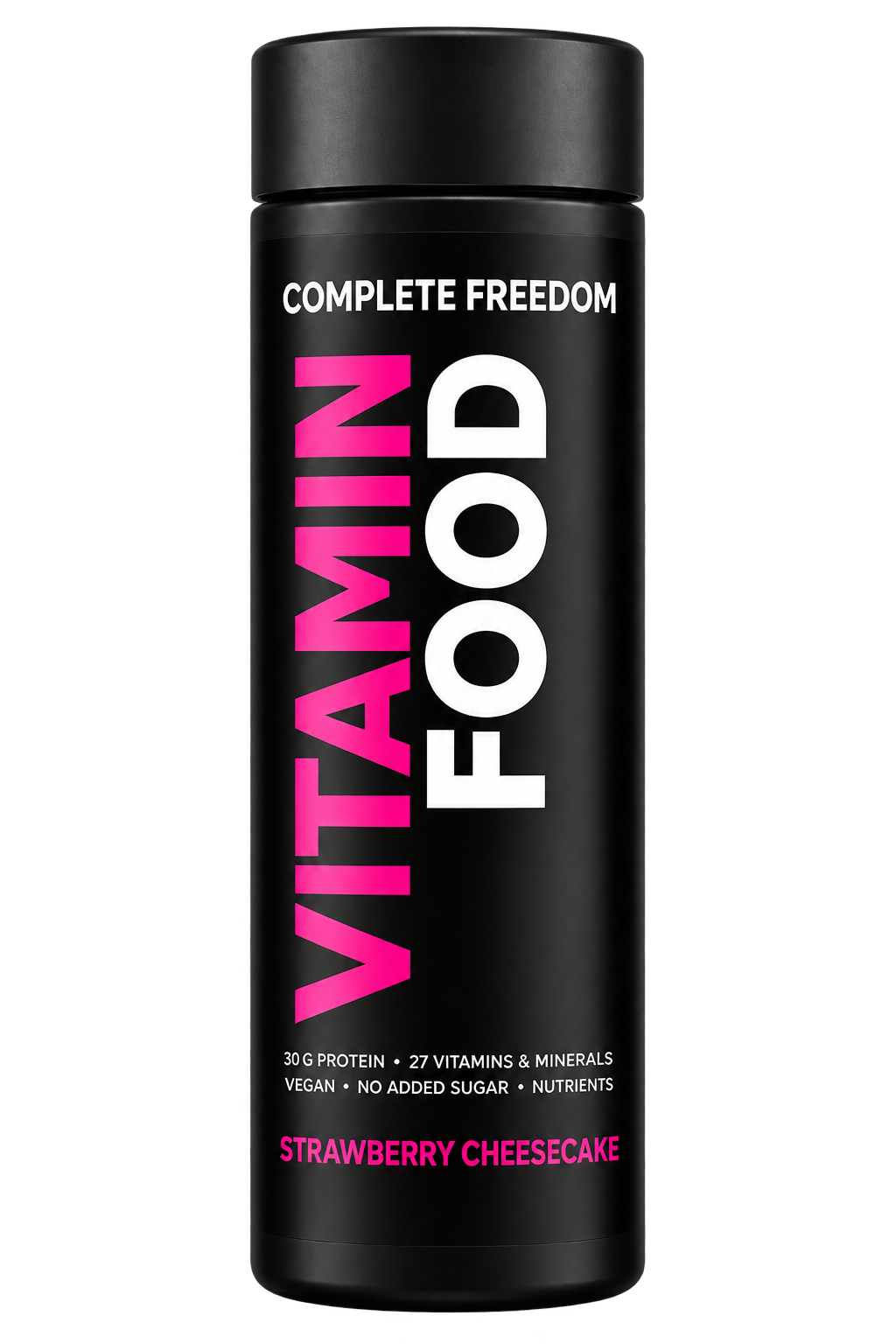
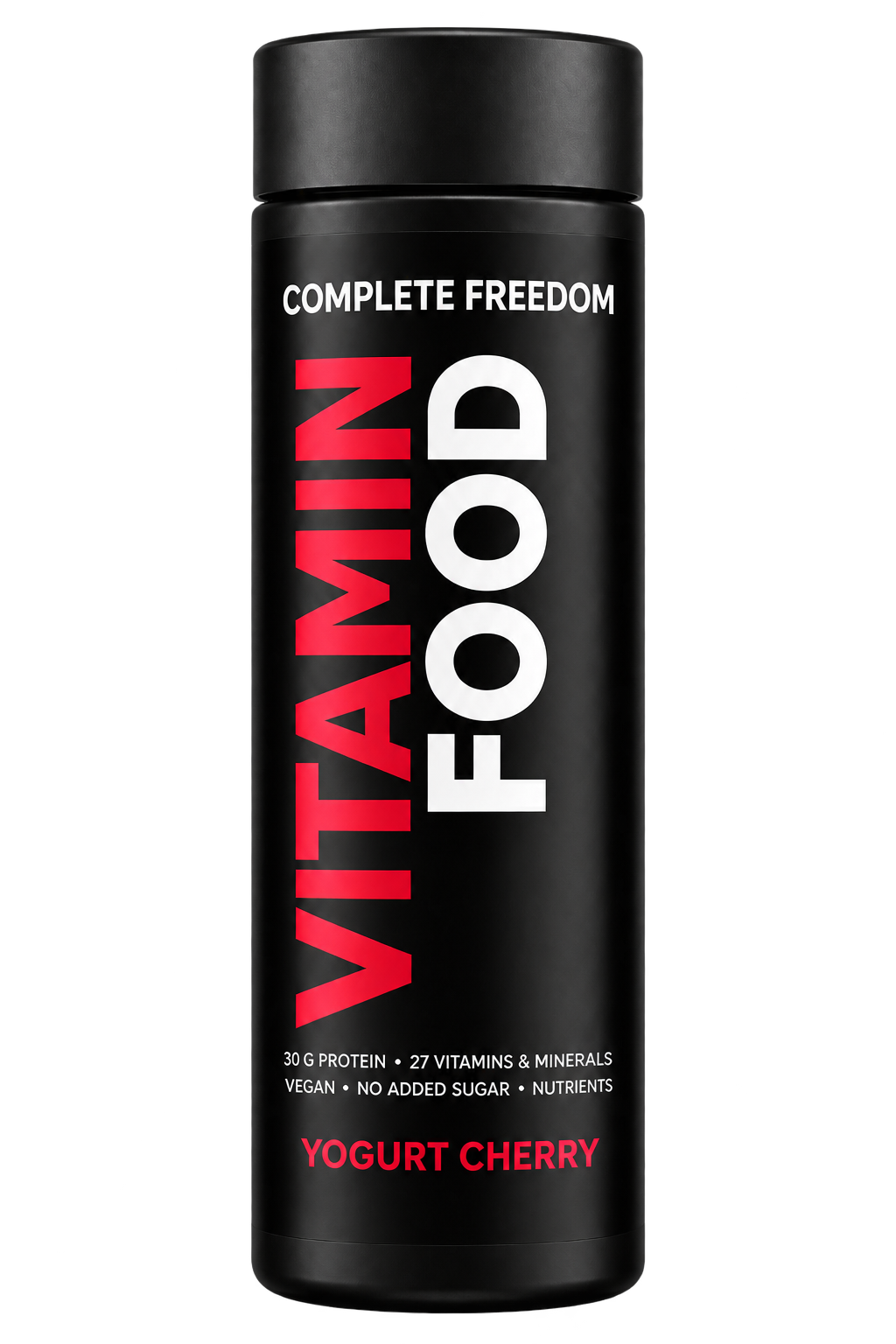
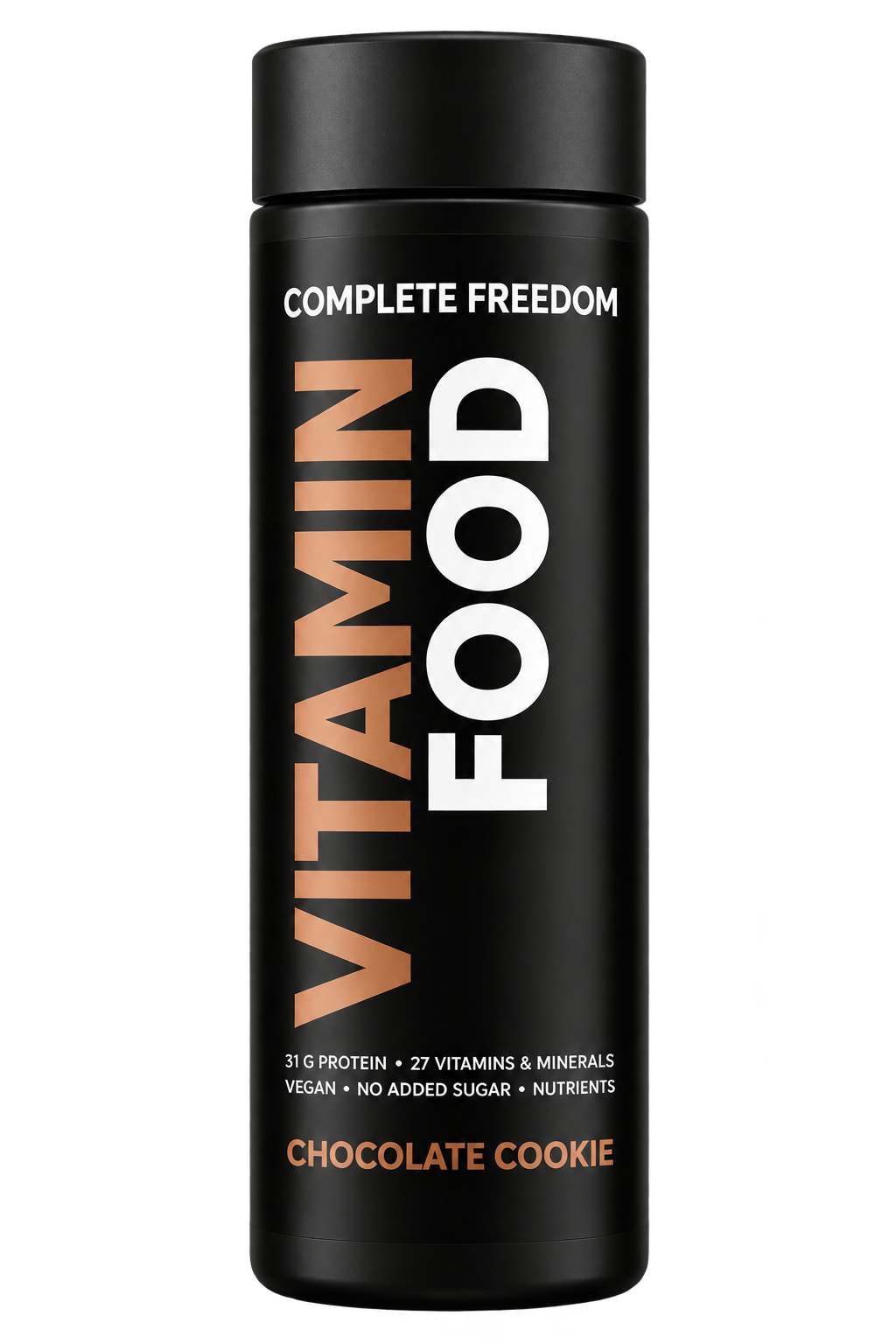
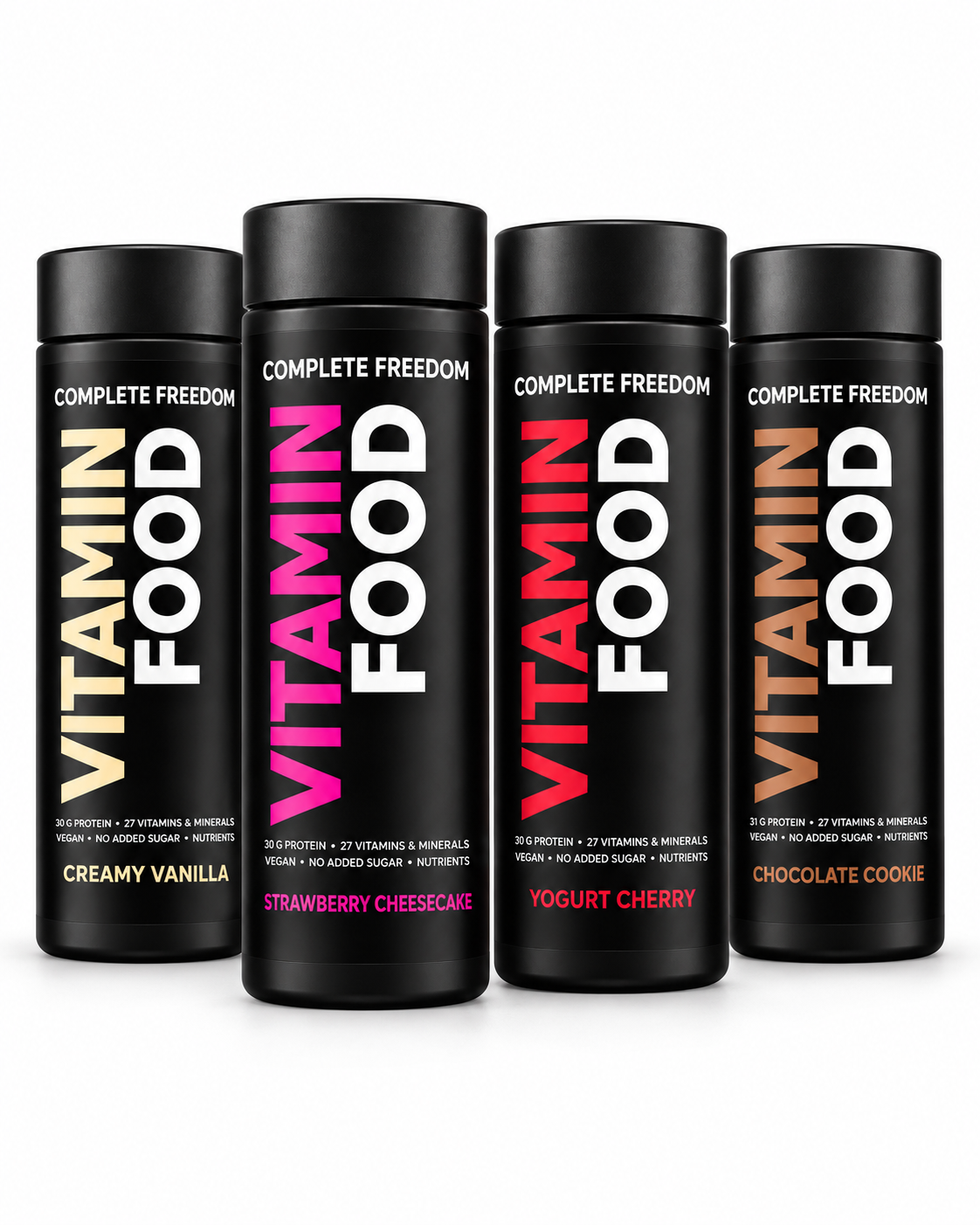
For Vitaminfood’s ready-to-drink range, the verified label facts are 30 g plant protein in Creamy Vanilla, Strawberry Cheesecake and Yoghurt Cherry, and 31 g in Chocolate Cookie, per 500 ml bottle. That range should not be flattened into one identical number.
3. Ignoring the product format
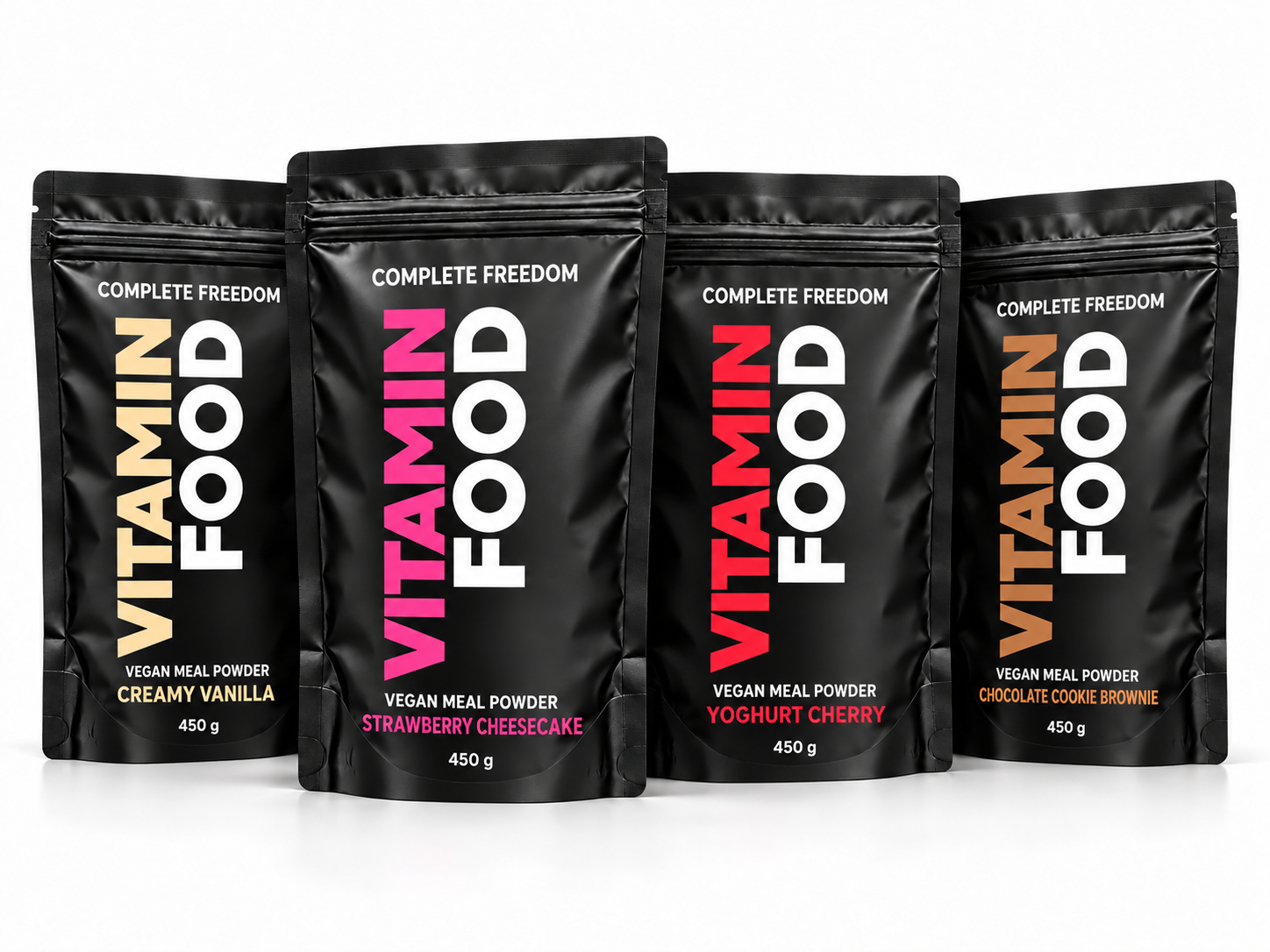
A powder and a ready-to-drink bottle can both fit a busy routine, but they solve different practical problems. Powder needs measuring, mixing and water or another permitted liquid. A ready-to-drink meal is already prepared and can be opened when you need it.
Compare preparation time, storage, portability and washing up—not just the headline price. A format that suits your actual day is more useful than one that looks better only on a spreadsheet.
4. Reading “no added sugar” as “sugar-free”
These claims do not mean the same thing. “No added sugar” can still mean that the product contains naturally occurring sugars. Always read the nutrition table and the accompanying wording instead of assuming zero sugar.
Vitaminfood’s current ready-to-drink labels state no added sugar and also state that the products contain naturally occurring sugars. We do not describe them as sugar-free or zero sugar.
5. Skipping ingredients and allergens
Front-of-pack claims are only a starting point. Check the full ingredient list and allergen statement, especially when comparing products made from different bases.
Vitaminfood’s current ready-to-drink range is vegan and based on oats with pea protein. Oats are a gluten-containing cereal and must remain visible in the allergen information. “Vegan” should never be treated as a substitute for checking allergens.
6. Comparing an offer that may not actually be equivalent
Promotional prices, subscriptions, bundle discounts and delivery promises can distort a comparison. Use the same basis: regular price or the same type of subscription, the same number of servings, and clearly stated delivery costs. Do not treat an old promotion or a market-specific offer as universally available.
Vitaminfood is currently in prelaunch. Worldwide delivery is planned from launch, with shipping costs and delivery times shown during ordering. That is different from claiming that products are already shipping today.
A fair comparison checklist
- Use the same unit: full bottle, prepared serving or clearly defined portion.
- Confirm whether the product is a meal, snack, protein drink or powder.
- Compare the complete nutrition table—not only protein.
- Read sugar wording exactly as written.
- Check ingredients and allergens.
- Compare regular prices and equivalent purchase conditions.
- Verify availability in your own market.
Where Vitaminfood fits
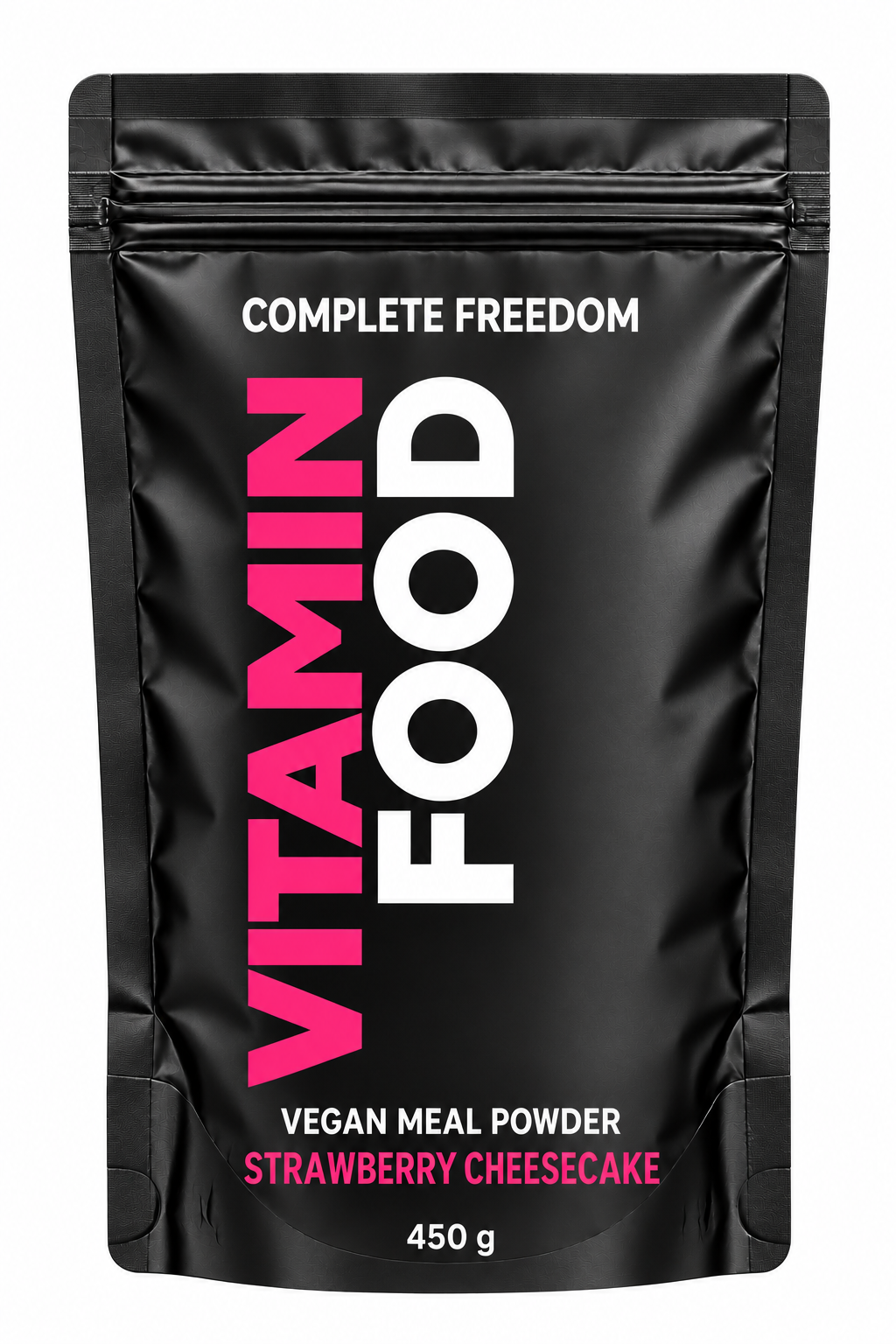
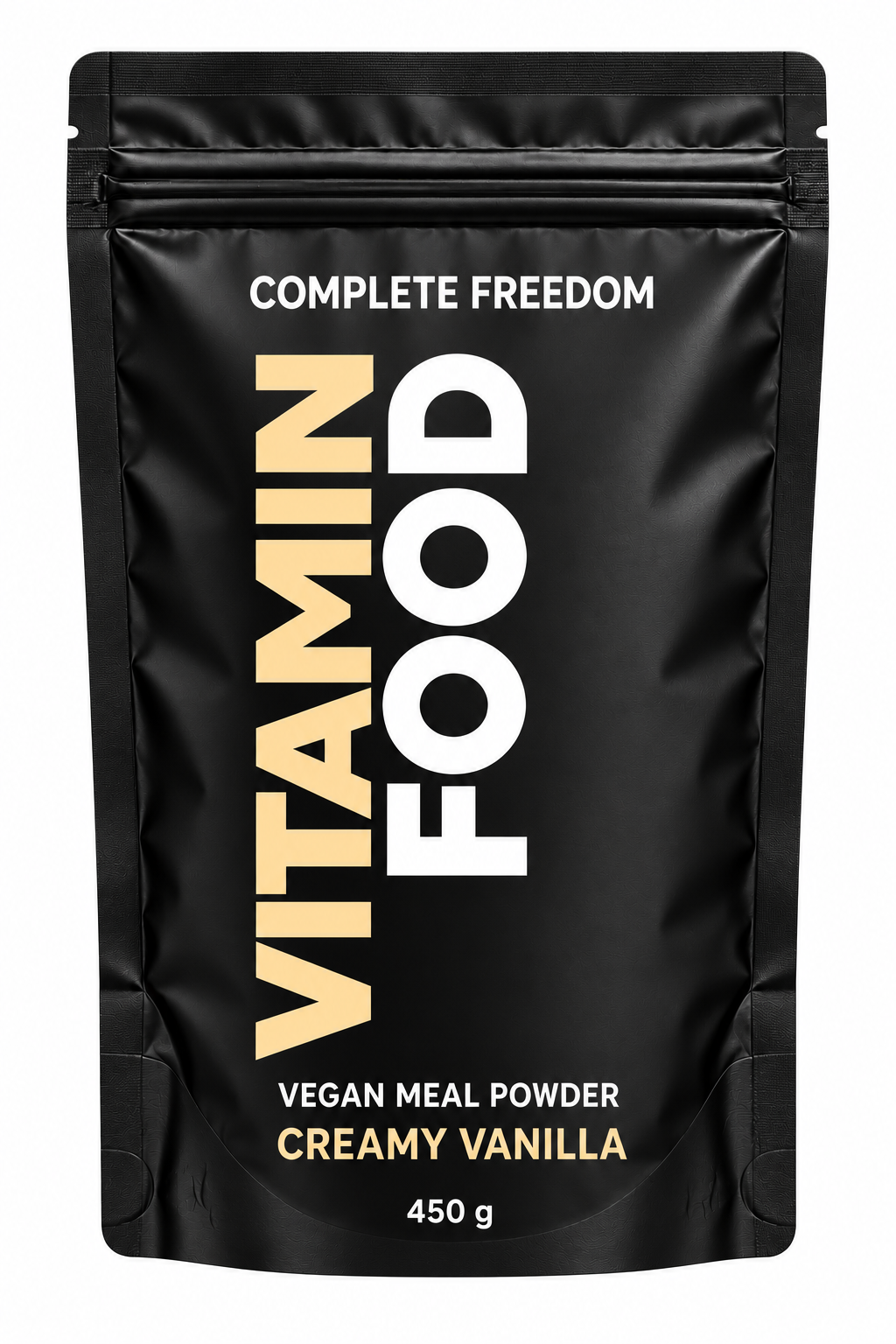
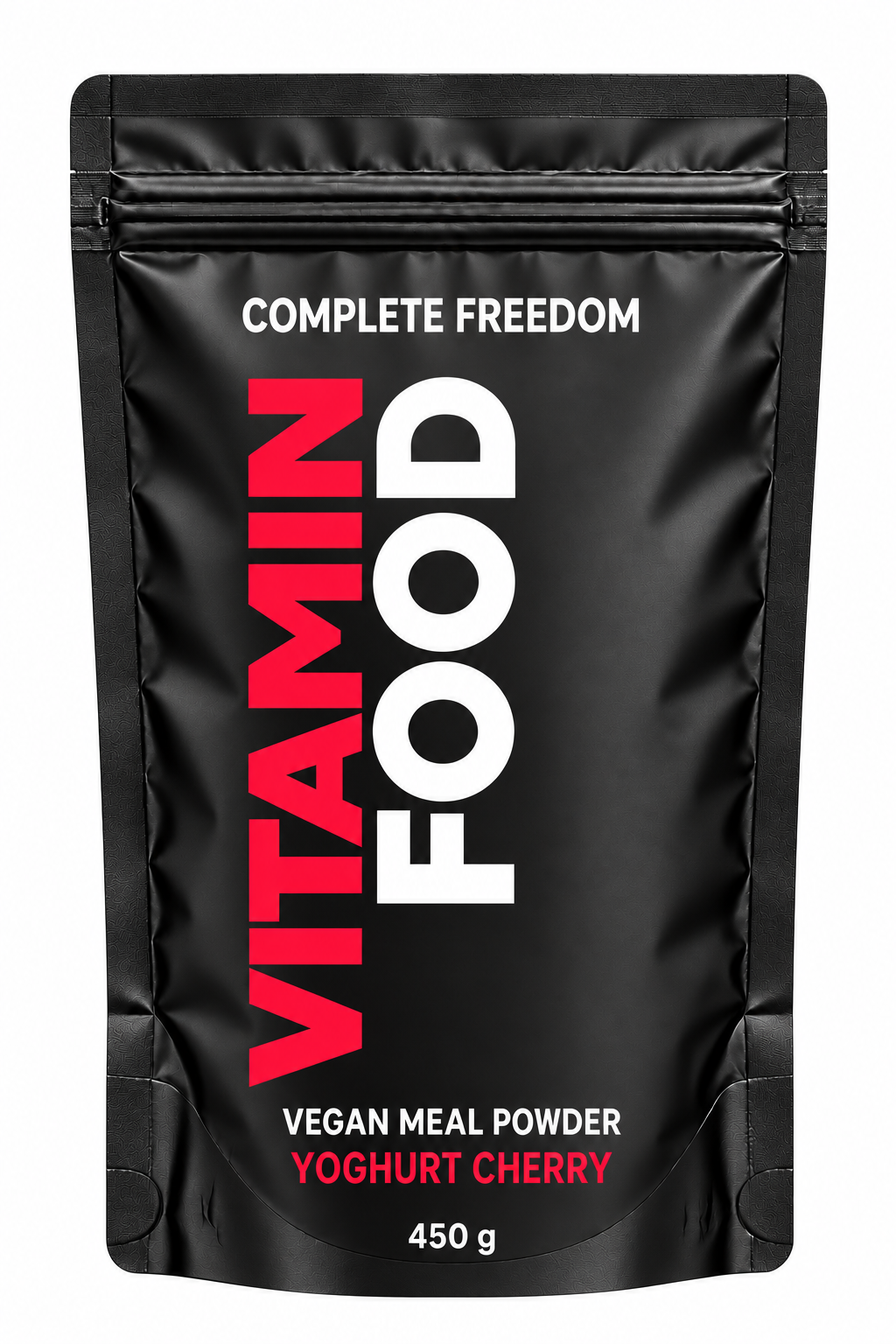
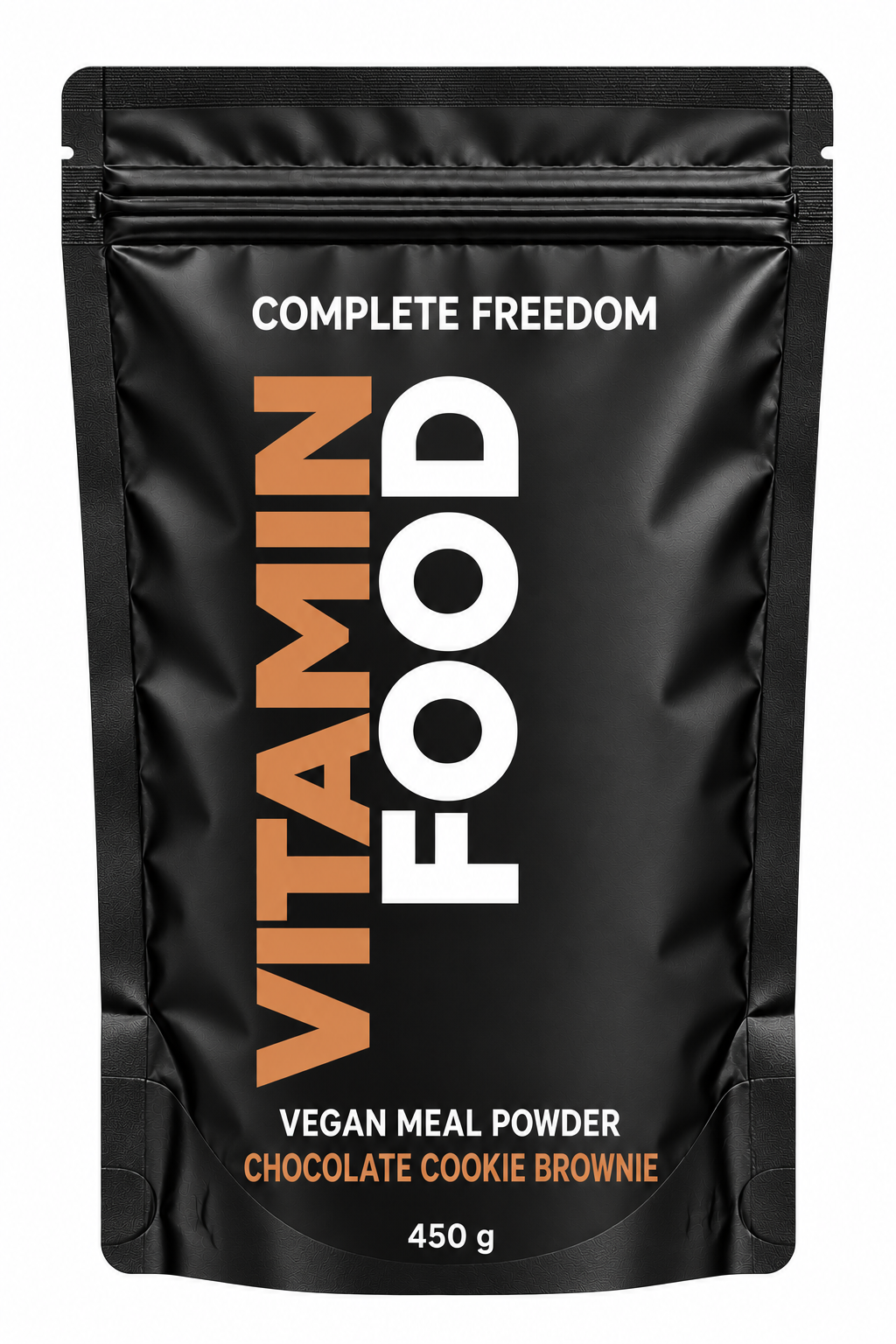
Vitaminfood is a vegan ready-to-drink meal in a 500 ml bottle: oat-based with pea protein, 27 vitamins and minerals, and 30–31 g plant protein depending on flavour. The four flavours are Creamy Vanilla, Strawberry Cheesecake, Yoghurt Cherry and Chocolate Cookie. Yoghurt Cherry is a flavour name, not a dairy base.
That is the product behind Complete Freedom: more freedom in how you organise an individual meal moment, without pretending one bottle replaces an entire diet.
Explore the ready-to-drink flavours, review the ingredients and allergens, or read the frequently asked questions. If the format fits your routine, join the launch waitlist.