
Meal Drinks Are “Lazy”. Good. Here’s the Real Argument.
Short version: people call meal drinks lazy, processed and a bit sad. Some of that criticism is fair. None of it decides whether a bottle suits your Tuesday lunch. Convenience is a legitimate reason. The label is where the honest argument happens.
Yes, it’s easy. Easy is allowed.
“Lazy” is the oldest insult in the meal-replacement aisle. It assumes effort is the point of lunch. For most people, lunch is a gap between a meeting and a deadline, and the real alternative is not a candlelit risotto. It is a vending-machine sandwich or nothing at all.
We will not pretend a bottle is a home-cooked dinner. A ready-to-drink meal is a meal you do not have to prepare, and sometimes that is the whole job. Easy is allowed. What is not allowed is hiding what is in it.
The ultra-processed debate is louder than ever
Ultra-processed food is the nutrition story of the year. Research by Foodwatch, reported by the Dutch consumer programme Kassa, found that more than 70 percent of the food on supermarket shelves is ultra-processed and that 93 percent of those products contain added sugar and/or salt (Kassa, in Dutch). A Wageningen University & Research study points to a worldwide shift toward ultra-processed diets (WUR, in Dutch).
That deserves attention. It also deserves nuance, and Kassa itself says the picture is not that simple: the same category includes supermarket bread and baby formula (Kassa). A classification looks at how a product is made, not at whether it is useful in your day.
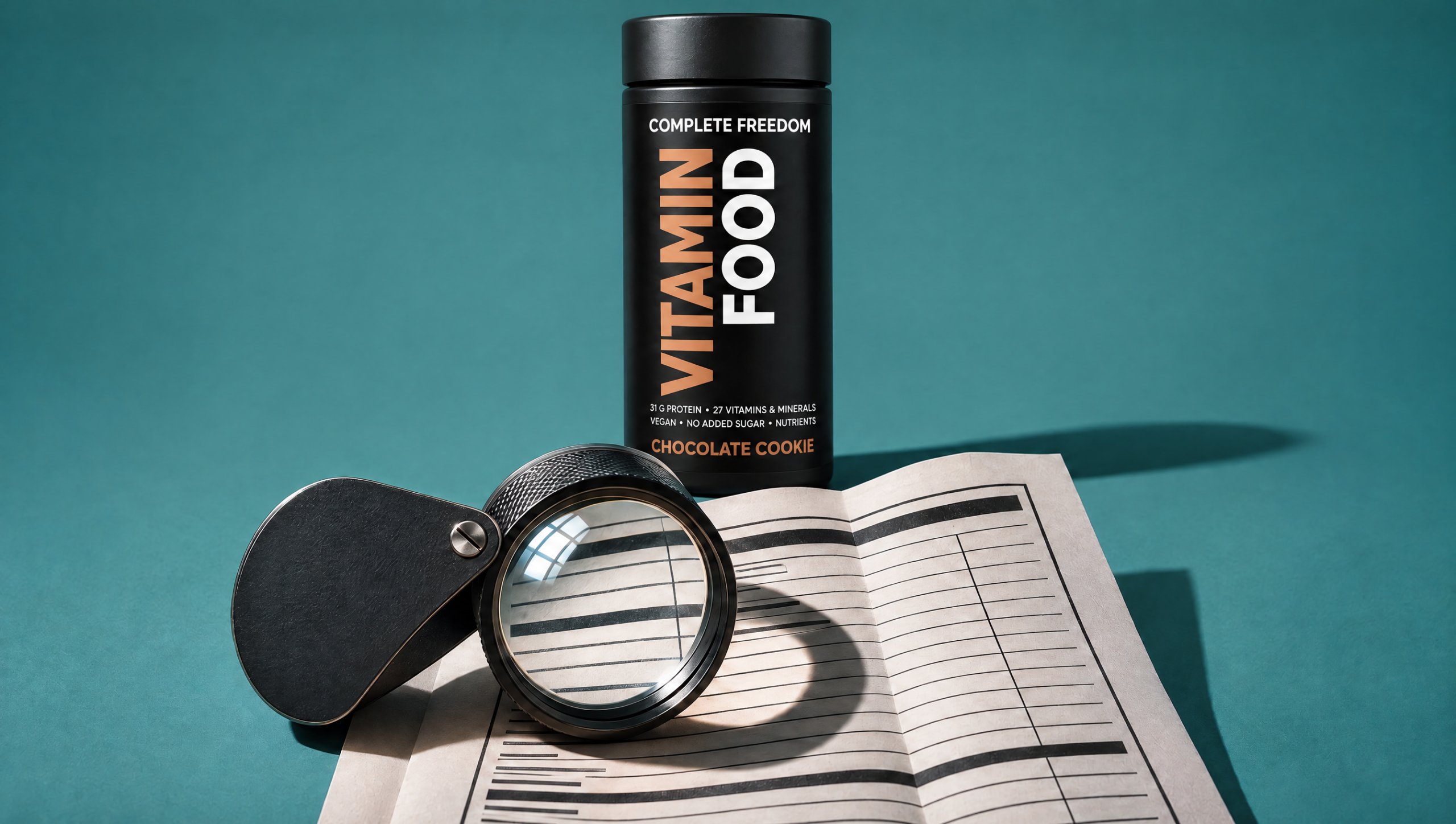
So here is our position: we will not tell you a meal drink is a carrot. We will tell you to read the ingredient list and the nutrition table, and to compare products on the same terms.
The complaints, and what to do with them
We read the reviews people leave about meal drinks, ours included, because that is where the honest feedback lives. The same complaints keep coming back:
- “It tastes like chalk.” Taste is personal, and nobody should commit to a box of twelve on a hunch. Start small (how to place a first order without stocking up).
- “It is too sweet.” Some Yfood reviewers on Trustpilot flag the sugar content of products they use as a meal (Trustpilot). Check sugars per serving and per 100 ml, whatever the brand.
- “Nobody answers my emails.” Soylent reviews on Trustpilot often describe customer service that went quiet when something went wrong (Trustpilot). Judge every brand by how it handles problems, us included.
- “I could not even try the flavours first.” A review roundup of Huel lists complaints about minimum orders and about not being able to test flavours beforehand, along with comments on an artificial taste (review roundup).
- “Vegan, so it is safe for everyone, right?” No. Vegan is not allergen-free (what the label does and does not tell you).
These are the views of individual reviewers at the time of writing.
Where Vitaminfood stands
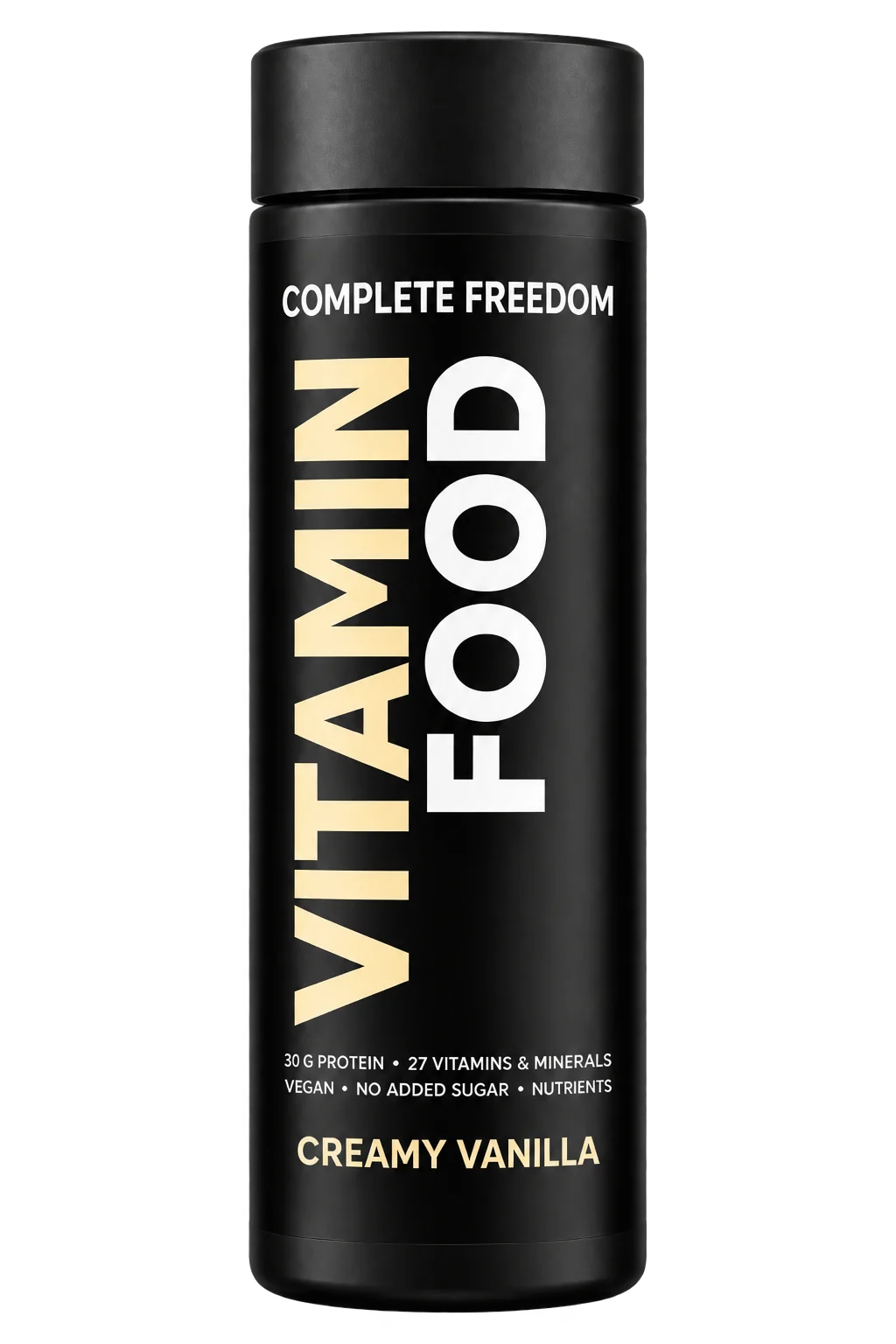
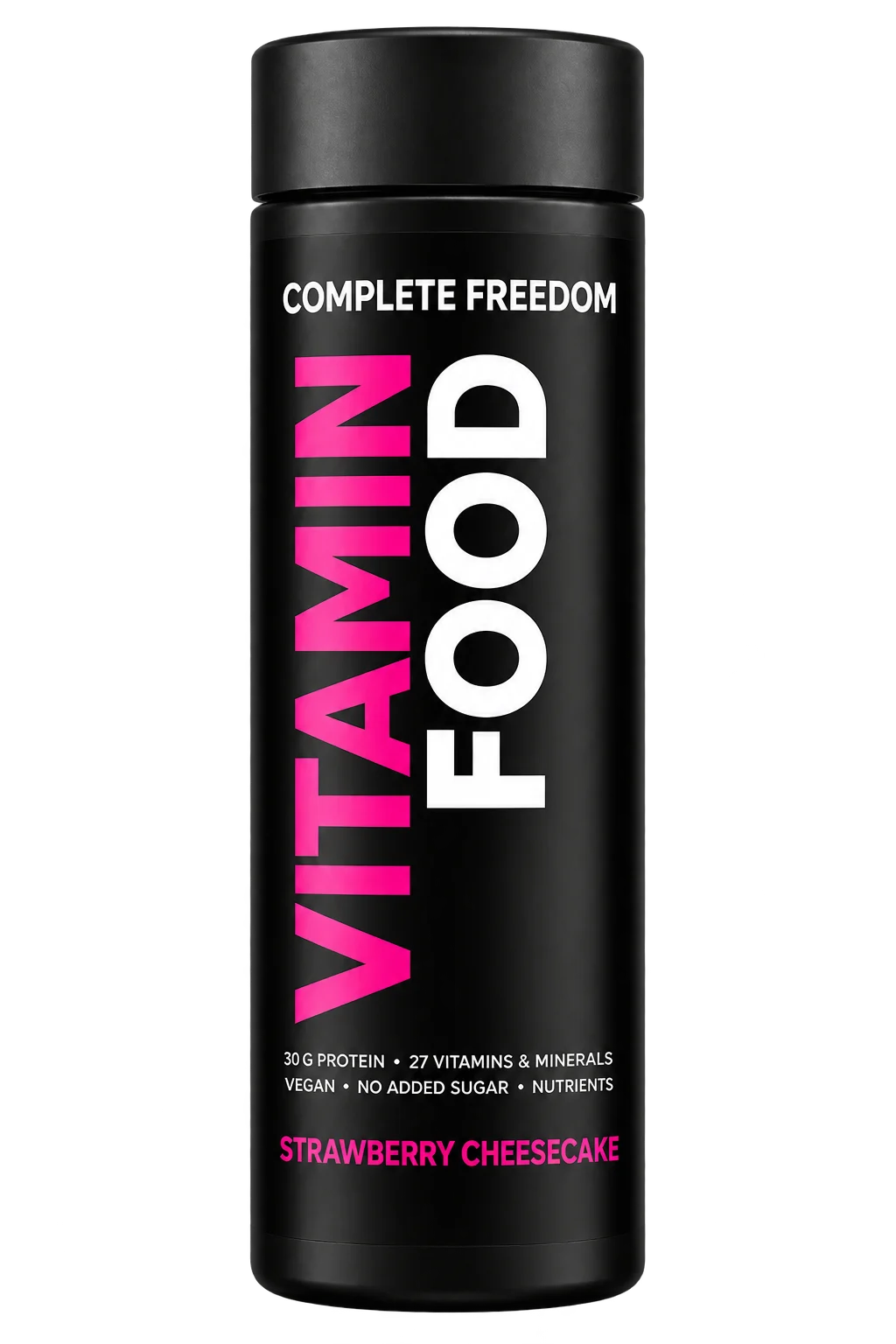
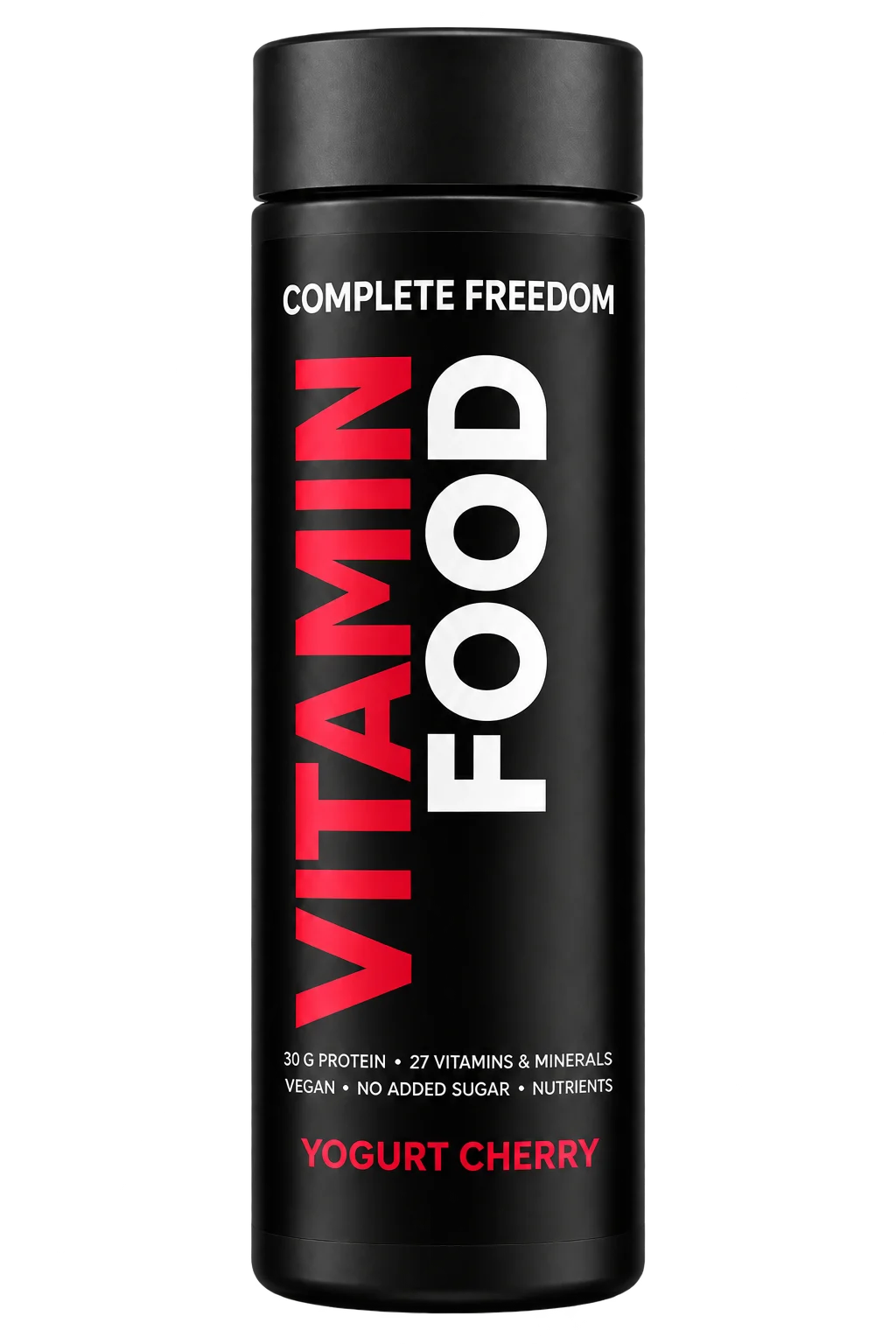
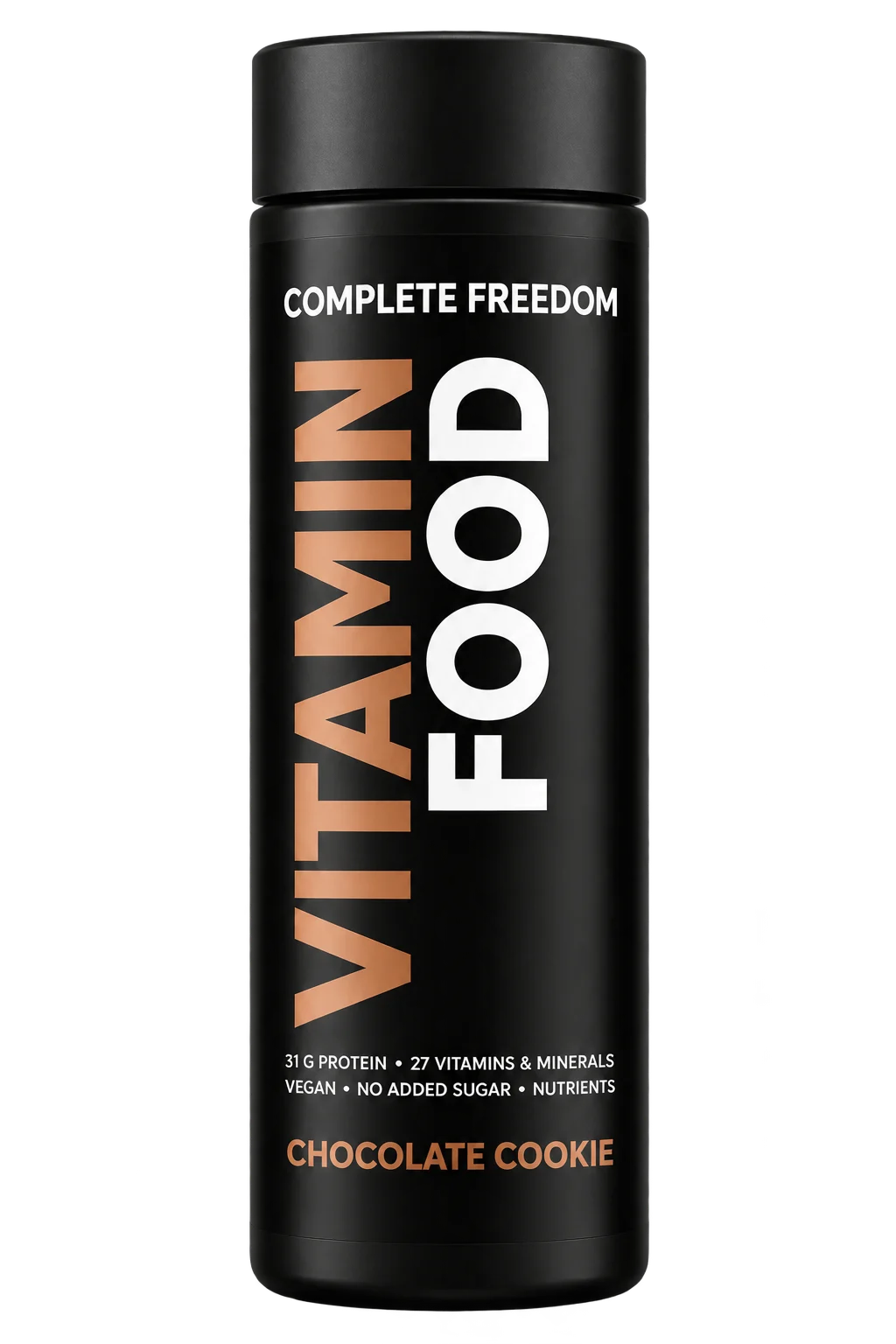
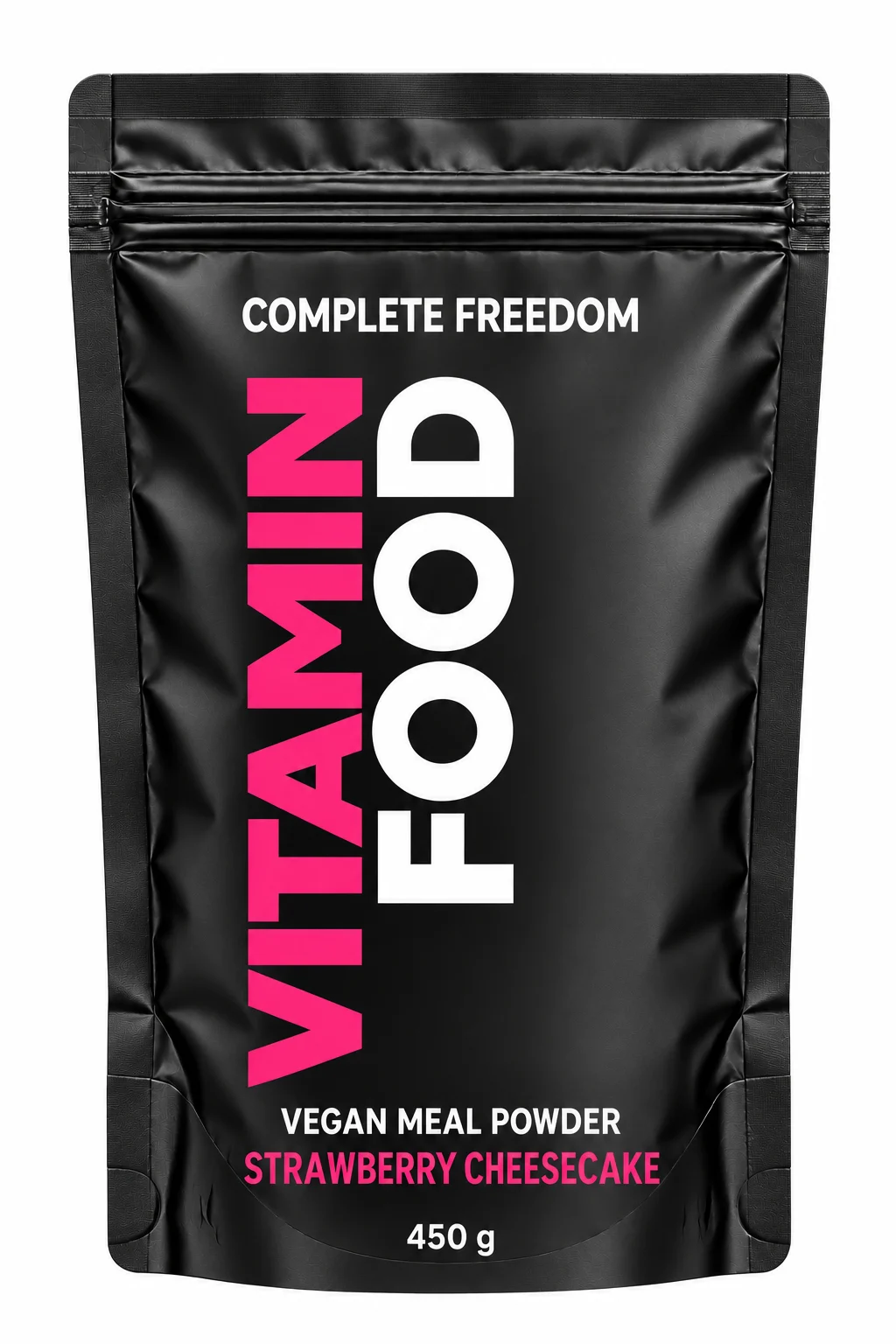
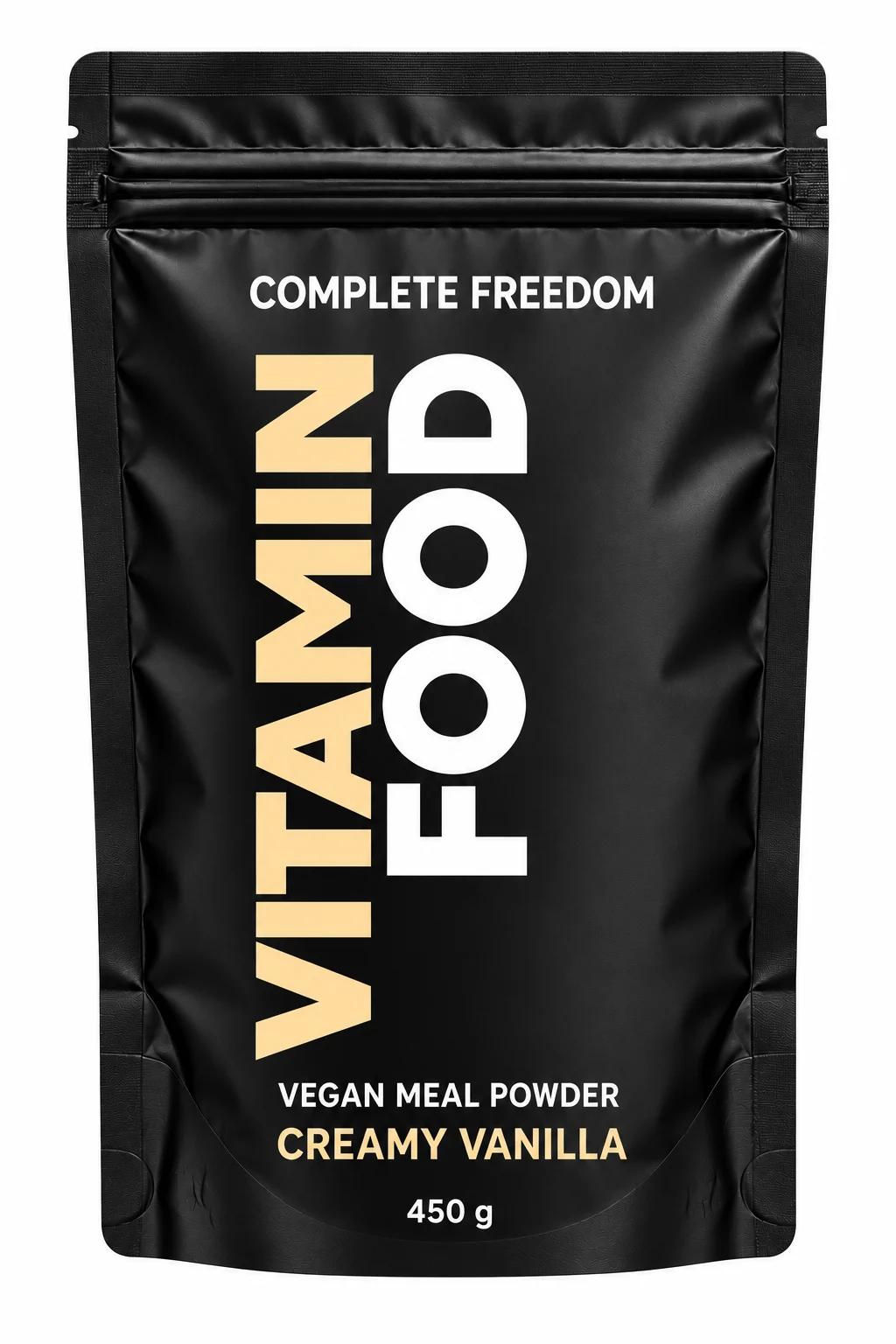
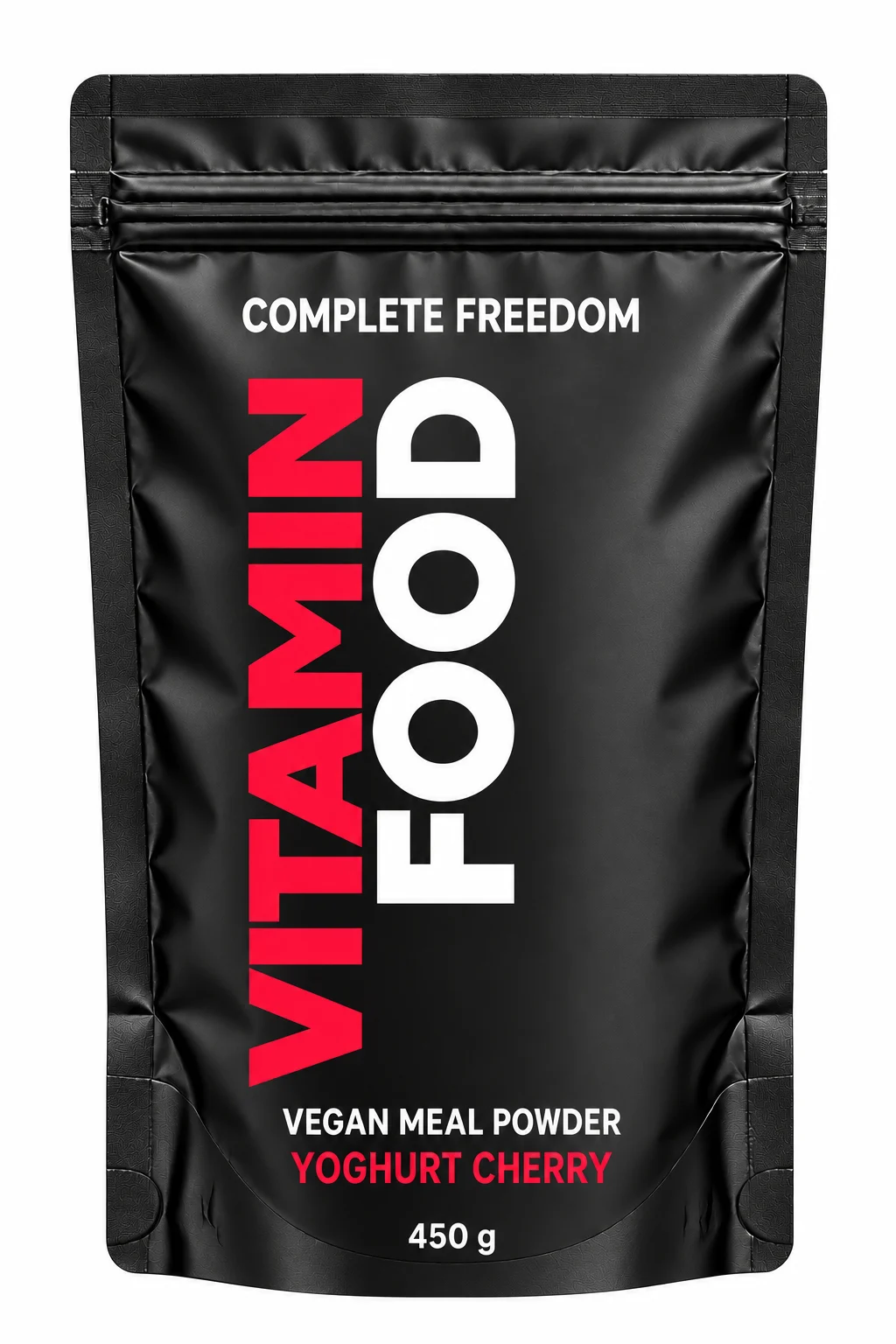
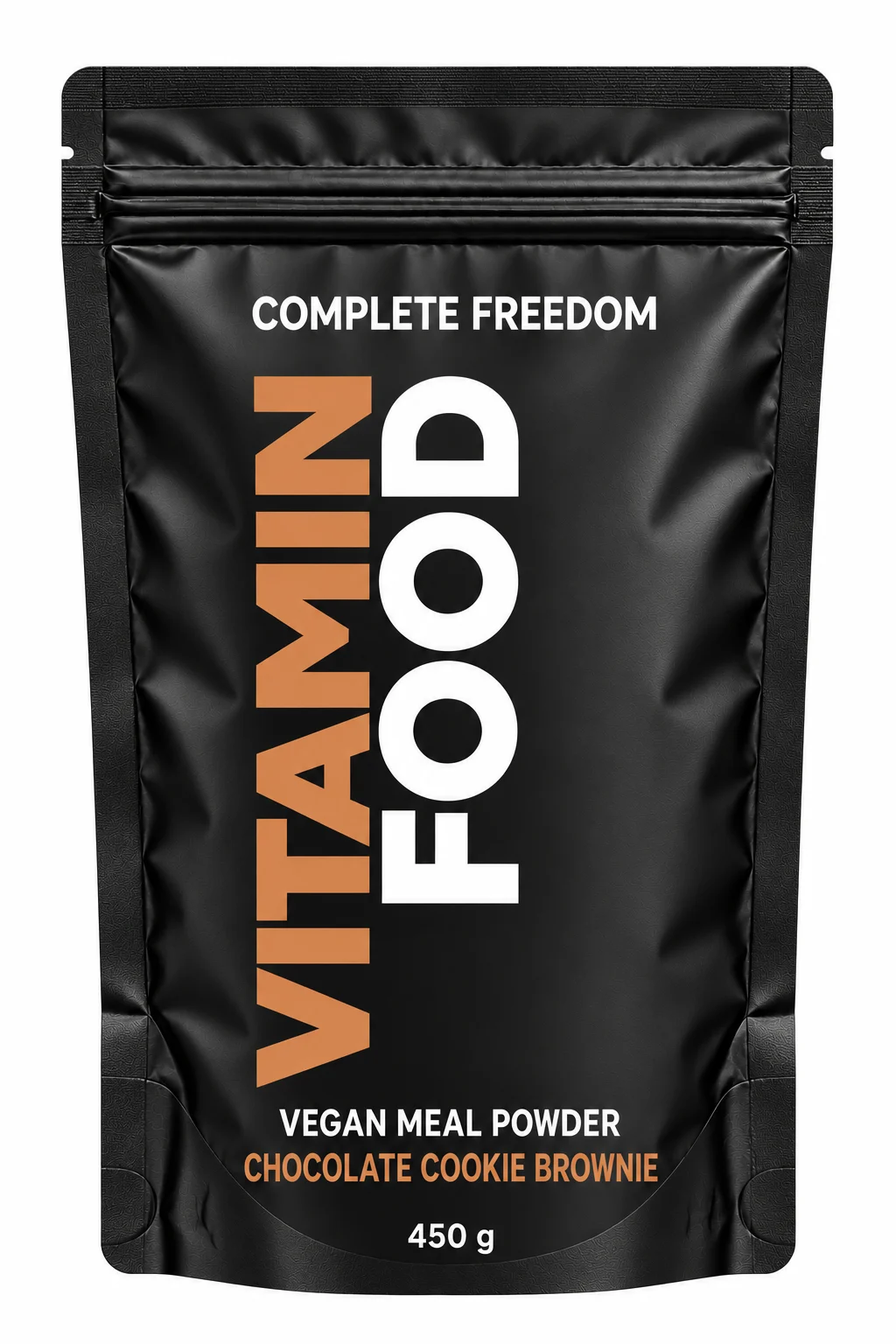
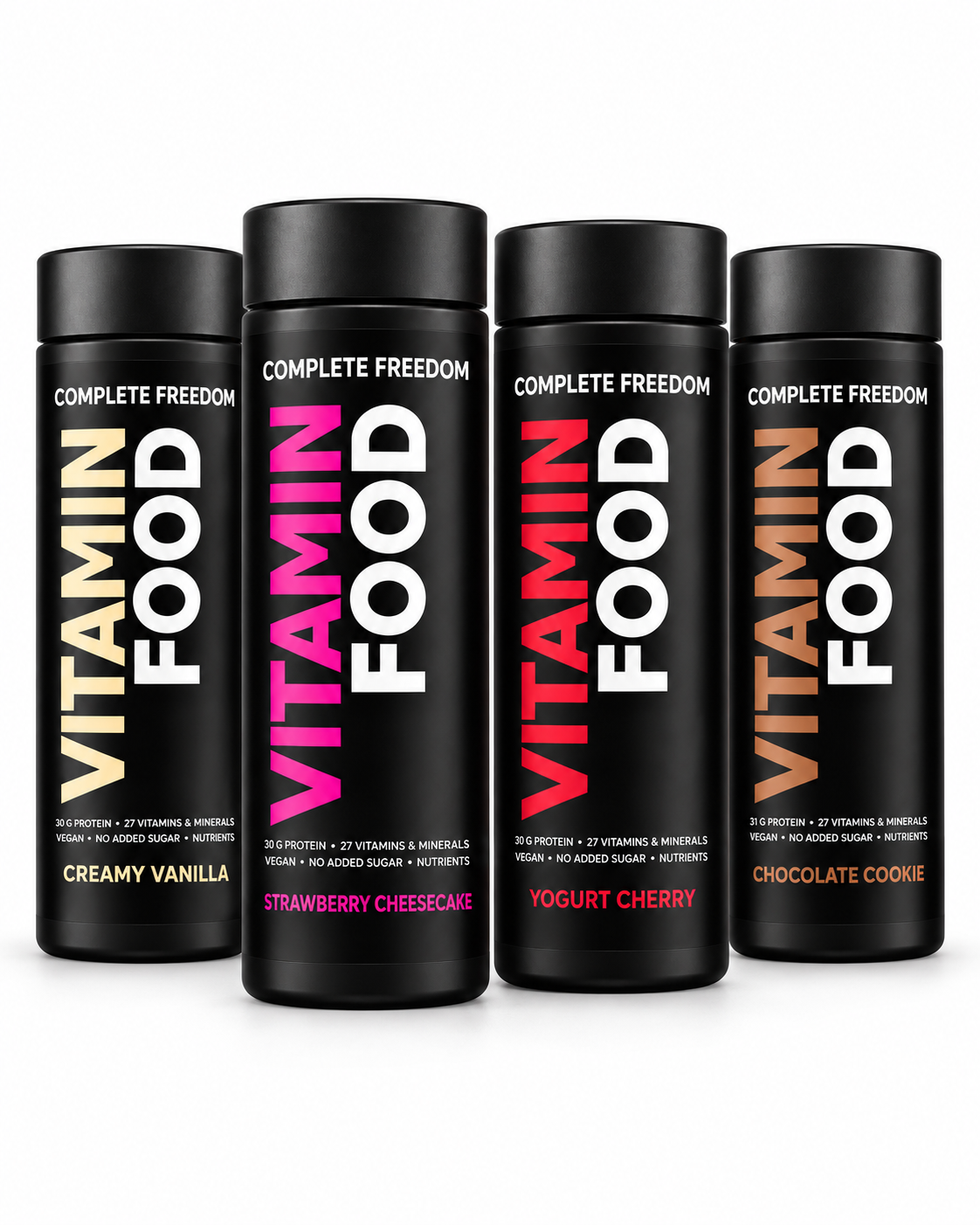
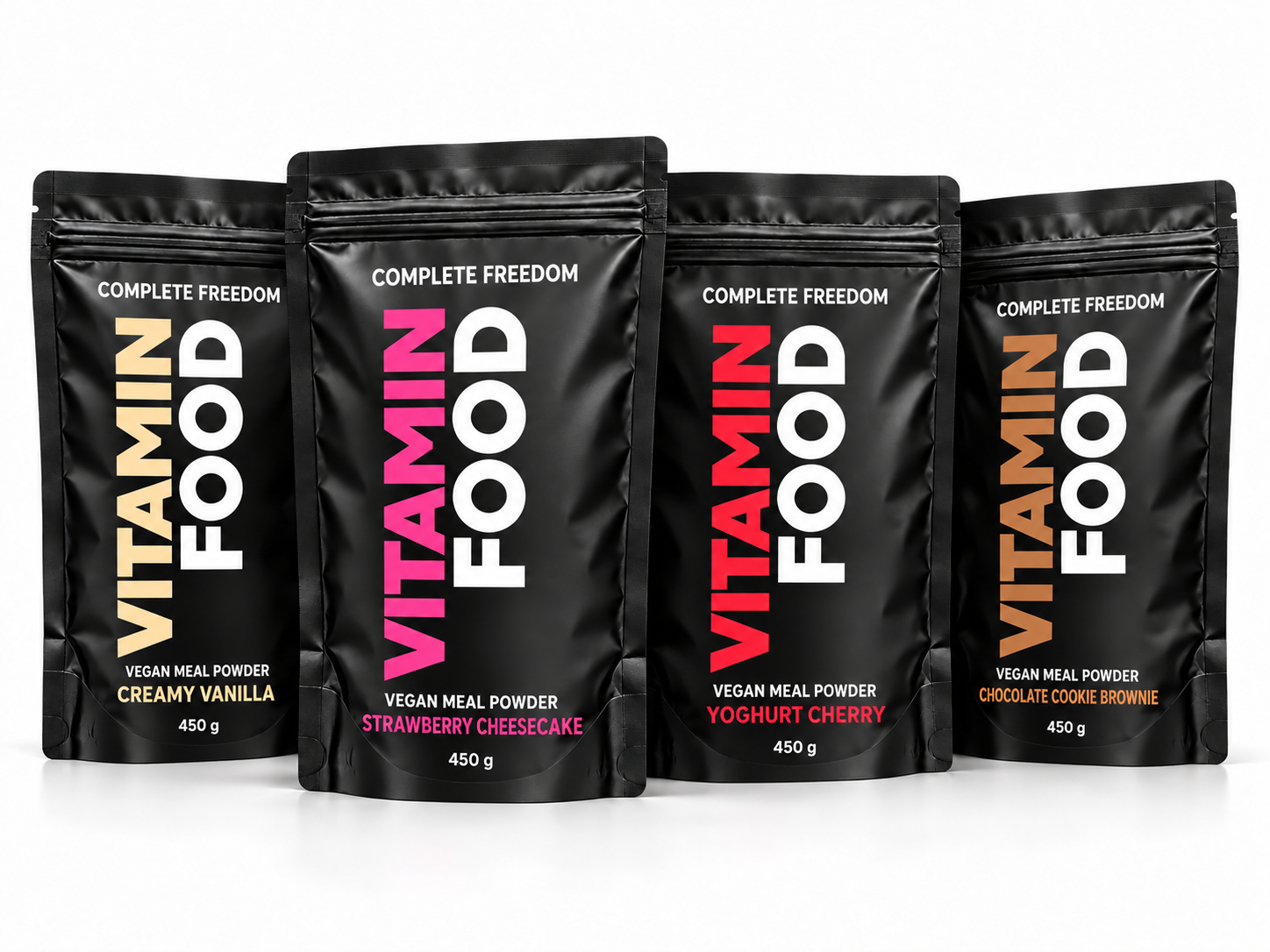
We are a Rotterdam brand making vegan meal drinks and powders. Right now our products are waitlist-only, so this is not an “order now” pitch. It is an invitation to compare: open the meal drinks or build a bundle, read the full ingredients and nutrition information on each product page, and decide with the facts in front of you.
Five checks for any meal drink
- Read the full ingredient list, not just the front of the pack.
- Compare sugars per 100 ml, not per “serving” (servings differ).
- Check allergens separately from the word “vegan”.
- Try one flavour before you buy many.
- Look at how the brand treats customers when something goes wrong.
Quick answers
Is a meal drink a real meal?
It is a ready-made, drinkable portion designed to stand in for a meal when cooking is not happening. It does not replace variety in how you eat over a week.
Is every meal drink ultra-processed?
Many are classified that way, because the classification looks at formulation and additives rather than at how useful the product is. Read the label and decide for yourself.
What should I compare between brands?
Protein source, sugars per 100 ml, ingredient list, allergens, price per serving and how the brand responds when something goes wrong.
Sources
- Kassa (BNNVARA): Foodwatch research
- Kassa (BNNVARA): ultra-processed food debate
- Wageningen University & Research: ultra-processed diets study
- Trustpilot: Yfood reviews
- Trustpilot: Soylent reviews
- Greatest Physiques: Huel review roundup
Reviews reflect the views of individual reviewers at the time of writing.